

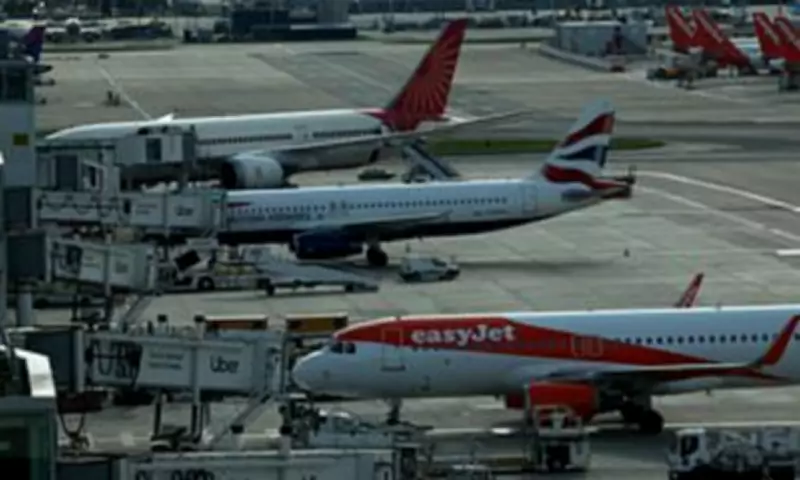
Summer Flight Prices Set to Soar as Iran Conflict Disrupts Jet Fuel Supply Chain
Travel experts are urgently advising British holidaymakers to secure their summer flight bookings immediately or face dramatically escalating prices, as the economic repercussions of the ongoing Iran conflict continue to intensify. Airline tickets for long-haul journeys have already surged by an astonishing £300, with specialists cautioning that short-haul flights to popular Mediterranean destinations could experience similar price hikes within mere weeks.
Strait of Hormuz Closure Creates Fuel Supply Crisis
While oil prices experienced a temporary decline yesterday following Iran's announcement that the Strait of Hormuz was "completely open," Tehran has since declared the crucial waterway shut again after the United States refused to lift what Iran describes as a naval blockade of its ports. This strategic passage previously facilitated the daily transit of 21 million barrels of crude oil, petroleum, and other energy sources from the Gulf region before the conflict began.
The situation has escalated with at least two Indian merchant vessels reporting gunfire attacks as they attempted to navigate the narrow strait, raising serious concerns about the fragility of any ceasefire agreement. The conflict initially prompted Iran to close this vital route for jet fuel exports from the Gulf, creating immediate supply chain disruptions.

Expert Warnings of Prolonged Disruption
Dustin Benton, managing director of Forefront Advisers which counsels airlines on policy matters, has emphasized that multiple factors will continue affecting the global fuel supply chain regardless of any potential strait reopening. Speaking to The Times, Benton stated: "I don't think the announcement changes the next six weeks to two months. You can't just snap your fingers and switch everything back on."
Passengers have already witnessed fare increases since the commencement of Donald Trump's military engagement with Iran in February. Aviation specialist Sally Gethin explained to the Daily Mail: "Even if it opens you'd still need time for the jet fuel supplies to start up again. So the best case scenario would be fares going up and some routes being cancelled."
Airlines Already Implementing Flight Reductions
The International Air Transport Association (IATA), representing over 360 airlines globally, has warned passengers to anticipate flight cancellations during the May half-term holidays as disruption spreads from Asian to European routes. Several carriers have already announced significant cutbacks:
- Dutch airline KLM has cancelled 160 flights over the coming month
- German carrier Lufthansa's regional subsidiary Lufthansa CityLine will suspend operations from Saturday
- Seven additional airlines have implemented flight reductions: British Airways, Virgin Atlantic, United Airlines, Scandinavian Airlines, Cathay Pacific, Air New Zealand, and Norse Atlantic Airways
Gethin predicted potentially "tens of thousands, potentially hundreds of thousands, of flights being cancelled globally" if shortages persist for six to eight weeks, noting this "could pose an existential crisis to airlines" who cannot recoup costs through fuel surcharges alone.
Government Response and Contingency Planning
Downing Street has asserted that necessary preparations are underway for potential jet fuel challenges in coming months. A government source revealed to The Times that a dedicated team of officials has been established to manage contingency planning for fuel shortages, led jointly by the Department for Transport and the Department for Net Zero. While plans are reportedly prepared, the source indicated "we're not in a place of needing to activate them yet."
The United Kingdom has increased jet fuel imports from non-Middle Eastern sources, though this is not believed sufficient to resolve future supply issues, particularly concerning given that over 60 percent of the nation's jet fuel imports originate from the region.

Broader Economic Implications
Beyond aviation, Britain's roads continue to experience elevated diesel and petrol prices, raising concerns about potential fuel protests similar to recent demonstrations in Ireland. Chancellor Rachel Reeves is reportedly considering whether to delay the scheduled September reduction of the 5p fuel duty cut originally implemented following Putin's 2022 invasion of Ukraine.
The International Energy Agency (IEA) has warned Europe faces possible jet fuel shortages within six weeks, though some experts suggest reduced demand might naturally alleviate pressure, allowing airlines to consolidate schedules and operate fewer flights on high-frequency routes.
Gethin suggested the crisis could potentially reshape air travel toward a model resembling the 1990s, with higher prices and fewer low-fare carriers, though she emphasized the rapidly evolving nature of the situation makes precise predictions challenging. She noted smaller airports with limited fuel storage capacity would likely be most severely affected, while recently launched airline routes face the highest cancellation risks.





