

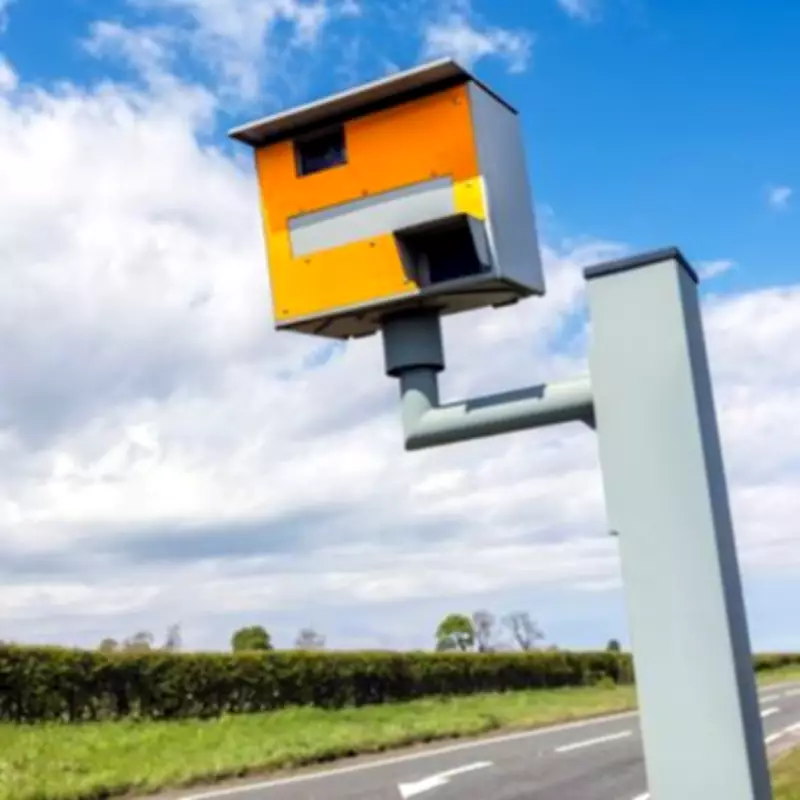
Advanced speed cameras that operate without a flash and do not rely on road markings are set to be trialled across multiple boroughs in London. These new devices utilise cutting-edge 4D-imaging radar technology coupled with a high-resolution 4k camera to capture superior quality images, enabling them to detect speeding vehicles across up to five lanes of bi-directional traffic.
Enhanced Monitoring Capabilities
The current generation of spot speed cameras is limited to monitoring a maximum of three lanes of traffic. In contrast, the new radar-based cameras represent a significant technological leap, offering broader coverage and more reliable enforcement. This upgrade is part of a collaborative initiative between Transport for London (TfL) and the Metropolitan Police, aligned with the Vision Zero strategy aimed at eliminating deaths and serious injuries on London's roads.
Installation Sites and Strategic Goals
Over the coming weeks, these cameras will be installed at various 20mph and 30mph locations within several London boroughs, including Haringey, Tower Hamlets, Havering, Croydon, Hammersmith and Fulham, Brent, Hackney, Ealing, and Sutton. The selection of these sites is strategic, focusing on areas where speed-related incidents are prevalent.

Research conducted by TfL indicates that exceeding speed limits or driving too fast for conditions contributes to approximately half of all fatal collisions on London's roads. This statistic underscores the urgent need for more effective enforcement measures to curb dangerous driving behaviours.
National Context of Motoring Offences
The trial comes at a time when motoring offences in England and Wales, excluding London, reached a record high of 2.9 million in 2024, according to Home Office statistics. This figure marks a 9% increase from the previous year's total of 2.7 million offences.
Among these incidents, speeding was the predominant offence, accounting for 2.5 million cases, or 86% of the total, which is also a record high. The consequences for offenders varied, with more than half (51%) resulting in drivers being required to attend retraining courses, fines issued in 37% of cases, and court action taken in 12% of instances.
It is important to note that these statistics do not include data from the Metropolitan Police, as they employ a different system for documenting offences, highlighting the unique challenges and approaches within the capital.
Official Statements on Road Safety
Siwan Hayward, TfL's Director of Security, Policing and Enforcement, emphasised the critical role of speeding in road collisions, stating, "Speeding continues to be a major cause of the most devastating collisions on our roads. This trial allows us to test new radar‑based camera technology to ensure it meets London's future enforcement needs."
Hayward added, "Upgrading our camera network is vital to maintaining strong, consistent enforcement, and together with the Met we are using every tool available to deter speeding, reduce road danger and save lives."
Echoing this sentiment, Detective Chief Superintendent Donna Smith of the Met's Roads and Transport Policing Command commented, "It is tragic whenever anyone is killed or seriously injured on our roads, and speeding remains a major factor, which is why our officers are totally committed to reducing that risk."
Smith further explained, "Working alongside TfL, the Met will use every tool available, including new radar‑based camera technology, to deter dangerous driving and support Vision Zero's ambition of eliminating deaths on London's roads. This trial will improve reliability and deliver better quality images, helping our officers hold offenders to account and ensuring we have a modern and effective enforcement system that saves lives."
The introduction of these stealth cameras marks a proactive step towards leveraging advanced technology to enhance road safety and enforcement efficiency in one of the world's busiest cities.






