

Singapore Enforces Strict Power Bank Limits on Flights to Enhance Safety
Singapore has announced stringent new regulations for power banks on flights, effective from 15 April 2026. The Civil Aviation Authority of Singapore (CAAS) stated that passengers will be permitted to carry a maximum of two power banks, with any additional units required to be surrendered before boarding.
Passengers are also prohibited from charging power banks or using them to charge devices during flights, as part of measures to mitigate fire hazards in aircraft cabins.
Global Safety Guidelines Prompt Regulatory Changes
These updates align with revised safety standards issued by the International Civil Aviation Organisation (ICAO) on 2 April. Lithium-ion batteries in power banks pose a significant fire risk if damaged, particularly in enclosed spaces like aircraft cabins.

"ICAO's new requirement of a maximum of two power banks per passenger and restrictions on the charging and use of power banks on board flights seek to reduce the risk of fire while catering for passengers' travelling needs," CAAS explained in a statement.
Implementation and Passenger Awareness Efforts
CAAS is collaborating with airlines and other stakeholders to ensure a smooth rollout of the rules. Airlines will inform passengers about the changes, with a grace period until 15 April for familiarisation.
Training will be provided to passenger service and security screening officers, and reminders will be displayed at key airport touchpoints.
Existing Requirements and Airline Policies
Current regulations remain in effect, including:
- Prohibition of power banks in check-in baggage
- Capacity limits for power banks
- Requirement for individual protection to prevent short circuits, such as using protective pouches
CAAS advised passengers to check with their airlines, as some may have more restrictive policies. Foong Ling Huei, director of Flight Standards at CAAS, emphasised: "The new requirements will help reduce the risk of fire caused by power banks on board flights. We urge all passengers to familiarise themselves and comply with the new requirements, for their own safety and the safety of other passengers."
Broader Industry Context and Similar Measures
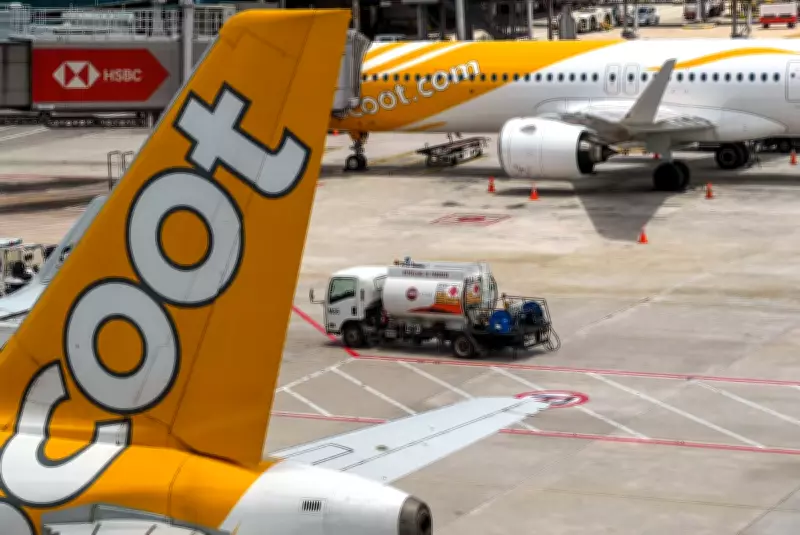
This move follows earlier actions by airlines like Singapore Airlines and Scoot, which banned in-flight power bank use and charging from 1 April last year after cabin fire incidents on carriers such as Batik Air and Air Busan.
Other airlines, including Lufthansa Group, have introduced similar restrictions, limiting passengers to two power banks and banning their use during flights. Some have also prohibited power banks in overhead lockers to enable quicker crew response to battery incidents.
Globally, Japan is considering a blanket ban on power bank use on domestic flights from April, with current rules limiting travellers to two portable chargers not exceeding 160Wh in carry-on luggage. Hong Kong's Civil Aviation Department implemented a ban on power bank use in flights last year.






