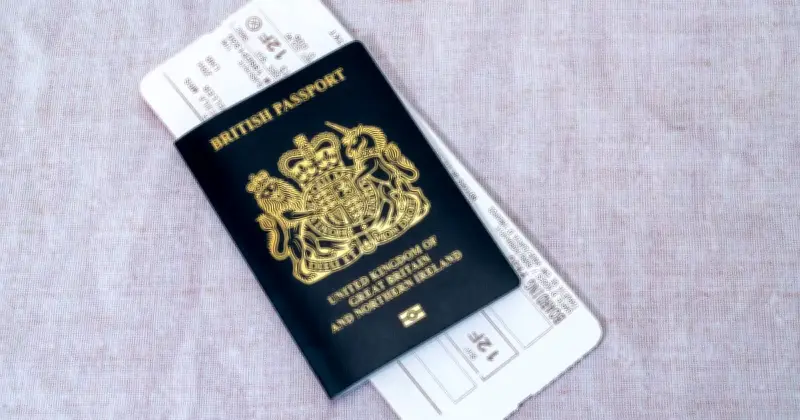
Travel expert Simon Calder has issued an urgent warning to British holidaymakers planning trips to the European Union this summer, urging them to check their passport validity to avoid having their holidays "wrecked." Speaking on BBC Radio 2, Calder highlighted that "thousands upon thousands" of travellers have already been denied boarding because their passports were issued more than 10 years ago, even if they remain unexpired.
James Luton's Story: A Cautionary Tale
One such traveller, James Luton, was barred from boarding a flight to Portugal for his 50th birthday celebration. His passport, though still within its expiry date, was issued over a decade ago, making it invalid for EU travel under current rules. Calder noted, "Unfortunately, he is just one of thousands upon thousands of people who have fallen foul of this. As we speak, there will be people who have headed to the airport, and the same thing happened to them. It is just absolutely miserable."
The 10-Year Rule and Three-Month Validity
For travel to the EU or Schengen zones, British passports must be no older than 10 years on the date of entry into the destination country. Additionally, the passport must have at least three months of validity remaining beyond the planned return date. Calder emphasized, "You must remember, if you are going to the EU apart from Ireland, you cannot have a passport older than 10 years on the day you enter. It is the only part of the world that cares about when your passport is issued. Everywhere else only cares about the expiry date."
Why the Rule Exists
Prior to 2018, UK passports could be valid for up to 10 years and nine months because unused months from previous passports were transferred to new ones. This practice ended in 2018, but many travellers still hold older passports that exceed the 10-year limit since issuance. The issue predominantly affects holders of burgundy passports, as blue passports issued since 2020 are automatically within the 10-year window. However, Calder advises checking children's blue passports, which are typically valid for only five years.
How to Avoid a Wrecked Holiday
Calder urged all travellers with holidays booked in June, July, or August to verify their passport details immediately. "Please, if you are going away in June, July and August please check that your passport is going to comply. Has it had its 10th birthday on the day you plan to go away, and has it got at least three months left on the date you plan to leave? That way, we can hopefully avoid too many more wrecked holidays," he said.