

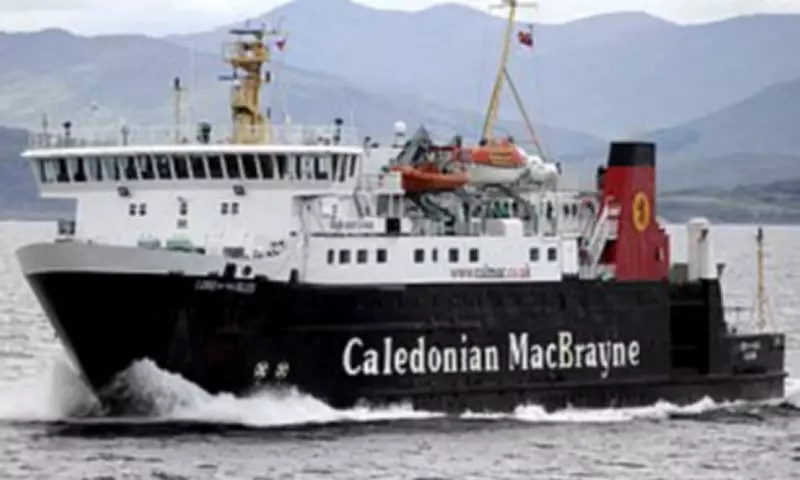
Scottish Ferry Fleet in Crisis as Breakdowns Dominate Cancellations
Official statistics have exposed a deepening crisis within Scotland's ferry network, with mechanical failures now responsible for over half of all service cancellations. The state-run Caledonian MacBrayne (CalMac) fleet, a vital lifeline for island communities, recorded a staggering 7,371 cancellations due to technical issues in the past year alone. This represents a dramatic ten-fold increase compared to just 709 similar incidents a decade ago, highlighting a systemic decline in reliability.
A Decade of Deterioration and Political Blame
Scottish Labour leader Anas Sarwar, during a visit to the Western Isles, unveiled these alarming figures and pledged to end what he termed the 'ferry fiasco' should his party secure victory in the upcoming May election. He condemned the situation as a 'shameful' symbol of Scottish National Party (SNP) 'incompetence and waste,' arguing that the dire state of services directly impacts island residents' daily lives.
The data reveals a complete reversal in cancellation causes over the past ten years. In 2015, approximately 81% of cancellations were attributed to adverse weather conditions, with only 10% linked to breakdowns. By last year, this pattern had flipped dramatically: 54% of cancellations were due to mechanical failures, while weather-related issues accounted for just 38%. Overall, total cancellations have surged from 6,822 in 2015 to 13,647 in the most recent annual period.

Acute Service Disruption and Fleet Shortages
The crisis reached a critical point recently when CalMac was forced to issue an apology for a 'critical' vessel shortage. On a single Saturday, eight ferries—almost a quarter of its 36-vessel fleet—were simultaneously out of action. Four vessels were undergoing scheduled annual maintenance, while the remainder, including key ships like the flagship MV Glen Sannox serving Arran and the MV Lord of the Isles on the Oban-to-Mull route, were sidelined with mechanical problems. CalMac described this as its 'most pressing' disruption to date, with issues persisting into the following week.
Compounding the problem, island communities are still awaiting the delivery of two ferries ordered by SNP ministers back in 2015. Initially budgeted at £97 million, the project has been plagued by delays and cost overruns, with the final taxpayer bill now estimated to reach around £500 million.
Political Promises and Fleet Renewal Plans
In response, Scottish Labour has vowed to implement a steady stream of replacement vessels to modernise the ageing fleet. Anas Sarwar emphasised the human cost, stating: 'Behind these shameful figures are islanders who have missed weddings, funerals and medical appointments, and businesses that are struggling. Enough is enough—it is time to put an end to the SNP’s ferry fiasco.' He attributed the skyrocketing cancellation rates directly to the SNP's failure to invest in and upgrade Scotland's essential ferry services.
A CalMac spokesman acknowledged the challenges, noting: 'Technical outages are a significant risk with an ageing fleet, and we provide more services than ever before, so the demand on those vessels has increased.' The operator outlined a renewal plan, with six major and seven small vessels scheduled to join the fleet between 2025 and 2029.
An SNP spokesman defended the government's record, asserting: 'The solution is more ships, and we are building them with more than £2 billion invested in ferry services during our time in office.' This investment is framed as part of a long-term strategy to address the infrastructure deficits and restore reliability to Scotland's crucial maritime transport links.






