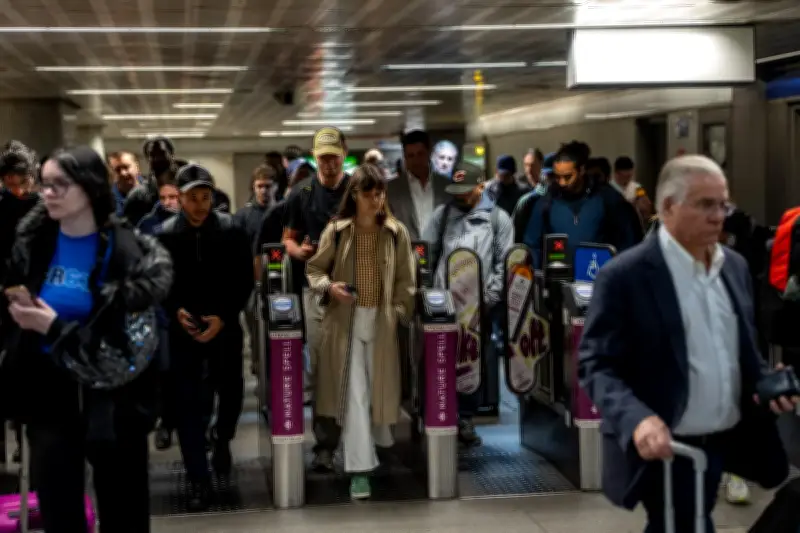
The first in a series of eight 24-hour strikes by Tube drivers is set to hit London, with the RMT union pressing ahead after last-ditch talks on Tuesday failed to reach a breakthrough in the long-running dispute over a four-day week for drivers.
The action is separate to the snap strike that closed the Piccadilly line and seriously disrupted the District line at the end of last week. Londoners face travel chaos in the run-up to Christmas and into the New Year, with travel in and around the capital also affected by railway upgrade works over the festive period.
When does this week's strike start?
The first walkout officially begins at midday on Thursday, November 26, though disruption is expected from 10am. Transport for London has said there is likely to be some disruption across all Tube lines, but trains will run on most lines.
No service is expected on the Circle or Piccadilly lines throughout the day, or on the Waterloo & City line after midday on strike days. On Friday, services on the Circle and Piccadilly lines are expected to start later than normal, from about 7am, with disruption across all lines until around midday and continued disruption through the afternoon and evening as services return to normal by around 6pm.
What are the other strike dates?
- Thursday, December 17, 2026
- Saturday, December 19, 2026
- Monday, January 4, 2027
- Wednesday, January 6, 2027
- Wednesday, February 17, 2027
- Tuesday, February 23, 2027
- Thursday, February 25, 2027
Why are the strikes happening?
The action is being taken in opposition to a proposed four-day working week. The union says drivers will face longer hours driving trains and work longer days, but TfL said the change would be voluntary and would mean drivers work fewer hours overall. Strikes earlier this year were over the same issue.
The RMT and Transport for London were in talks over the summer to try to resolve the stand-off, but the two sides failed to reach an agreement over the changes, which are strongly backed by the Aslef train drivers' union. Aslef stressed that the reforms will give drivers, many of whom earn more than £70,000, more time away from work and will cut rostered hours to 34 from the current average of 36.
How will the strikes impact London?
The strikes are expected to hit sporting fixtures and cause chaos for Christmas shoppers. The strike on December 19 falls on the final Saturday before Christmas, known as Super Saturday, traditionally the biggest festive shopping day. If shoppers who would have travelled to central London and other key shopping destinations stay away due to the strike, it will deal a huge blow to many stores.
On the same day, Brentford FC play Newcastle United at home in the Premier League. The District and Piccadilly lines are popular ways of reaching the Gtech Community Stadium, so fans face difficult journeys to and from the match. Other sporting fans of London teams hoping to travel to major central London travel hubs for ongoing travel to the rest of the country also face disruption on that day.
The 24-hour strike on Wednesday, January 6 is set to cause chaos for fans trying to reach Fulham's ground Craven Cottage to play Tottenham in their evening game. Chelsea fans hoping to take the Tube as part of their journey to watch the Blues play Crystal Palace at Selhurst Park on the same evening also face disruption.
The scheduled 24-hour walkout on Monday, January 4 will coincide with the first day back at work for millions after the Christmas and New Year break, with a further strike on January 6 likely to mean a miserable first week of travel for many on their return to work. The strikes are expected to cause severe disruption, but which lines are affected and how is expected to be announced close to the date of the first strike.
What have the two sides said?
Justifying the strike, RMT general secretary Eddie Dempsey said: "London Underground is attempting to dress up a wholesale attack on drivers' working conditions as a voluntary four-day week.
"But there is nothing voluntary about a scheme that forces drivers to give up existing protections whether they work four days or five, and threatens those who refuse with displacement from their depots."
Finn Brennan, Aslef's full-time organiser on London Underground, stressed: "We are surprised that the RMT has, once again, decided to take strike action to try to prevent Underground drivers moving to a four-day week on a voluntary basis.
"A strike designed to stop people having the choice of a shorter working week and more time off is a strange choice to make."
Shadow Transport Secretary Richard Holden was more outspoken. He said: "These RMT militants who bankroll hand-picked Labour MPs do not care about better services, they do not care about passengers and they do not care about our capital city – all they care about is beating as much cash out of this weak piñata of a Labour Mayor and Government as they can."
Business chiefs in London also slammed the RMT's industrial action. Ed Richardson, transport programme director at BusinessLDN, said: "These strikes will not bring any festive cheer to Londoners and visitors that rely on the Tube to get around the city."
What other planned travel disruption will take place over Christmas and New Year in London?
On the wider rail network, Paddington station in west London will be shut down as a result of railway upgrade works between Christmas Day and New Year's Eve. The Elizabeth line and Heathrow Express trains will not run west of Paddington until December 31 as a result.
Trains into Waterloo will be reduced and run an amended timetable on Sunday December 27 and Monday December 28, according to National Rail, due to engineering crews being on the ground in the Queenstown Road area. There will be no Southeastern trains to Charing Cross, Waterloo East, Cannon Street or via Lewisham on the same days due to work on the track around New Cross, south-east London.