

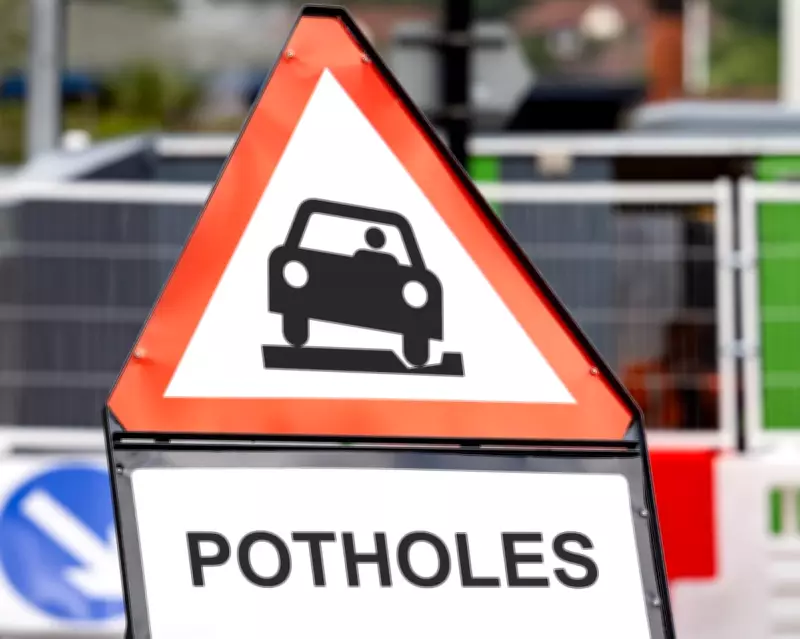
Government Commits Record £8.4bn to Road Maintenance in England
Ministers have vowed to allocate unprecedented funding for road maintenance as part of a comprehensive £27bn five-year investment strategy for England's major A-roads and motorways. This initiative, known as the third Road Investment Strategy (RIS3), aims to address long-standing infrastructure issues by dedicating nearly a third of the total budget—£8.4bn—to essential upkeep, including resurfacing a quarter of the strategic road network.
New Projects and Controversial Schemes
The plan also greenlights 16 new road schemes, with a focus on projects deemed to offer the best value for money and deliverability. Among these is the Lower Thames Crossing, which has received £1.65bn in initial public funding. Intended to alleviate congestion in the south-east, particularly for freight from Channel ports heading north of London, this project is Britain's largest planned road building scheme in years, though the government hopes it will be largely privately funded, with backers yet to be announced.
Additionally, funding is confirmed for the dualling of the A66 between Cumbria and North Yorkshire, a project previously championed by former Prime Minister Rishi Sunak and briefly paused by Labour in 2024. Transport Secretary Heidi Alexander emphasized the government's commitment, stating, "For too long this country has failed to tackle and fix our crumbling infrastructure, but this huge £27bn investment in our roads will secure the future of our road network for years to come."

Criticism from Campaigners
Despite the government's assurances, campaigners have raised concerns about the plan's focus on new road construction. The Transport Action Network (TAN) argues that outdated traffic forecasts have led to the inclusion of poor-value schemes, such as new junctions for the A39 in Derby and the A66 dualling, which they claim may exacerbate congestion rather than solve it. Chris Todd, TAN's director, criticized the approach, saying, "In the 21st century we really should be doing something better than building bigger roads in urban areas."
Todd also highlighted a new road safety target to reduce fatalities and serious injuries by 7.5% by 2031 as "woefully unambitious," noting that at this rate, the goal of zero harm by 2040 would not be achieved until after 2090.
Broader Investment and Local Impact
The Department for Transport clarified that the £8.4bn for A-roads and motorways is separate from the £7.3bn pledged in the spending review for local authorities to address potholes and maintain local roads. Alexander added, "Not only are we investing in renewing our roads, meaning smoother and faster journeys for drivers, we are getting on with investing into brand new projects and fixing potholes, which will deliver benefits across the country from Norwich to Manchester."
This investment is framed as part of a broader effort to stimulate growth in underserved communities, though it continues to spark debate over the balance between maintenance and new construction in the UK's transport policy.






