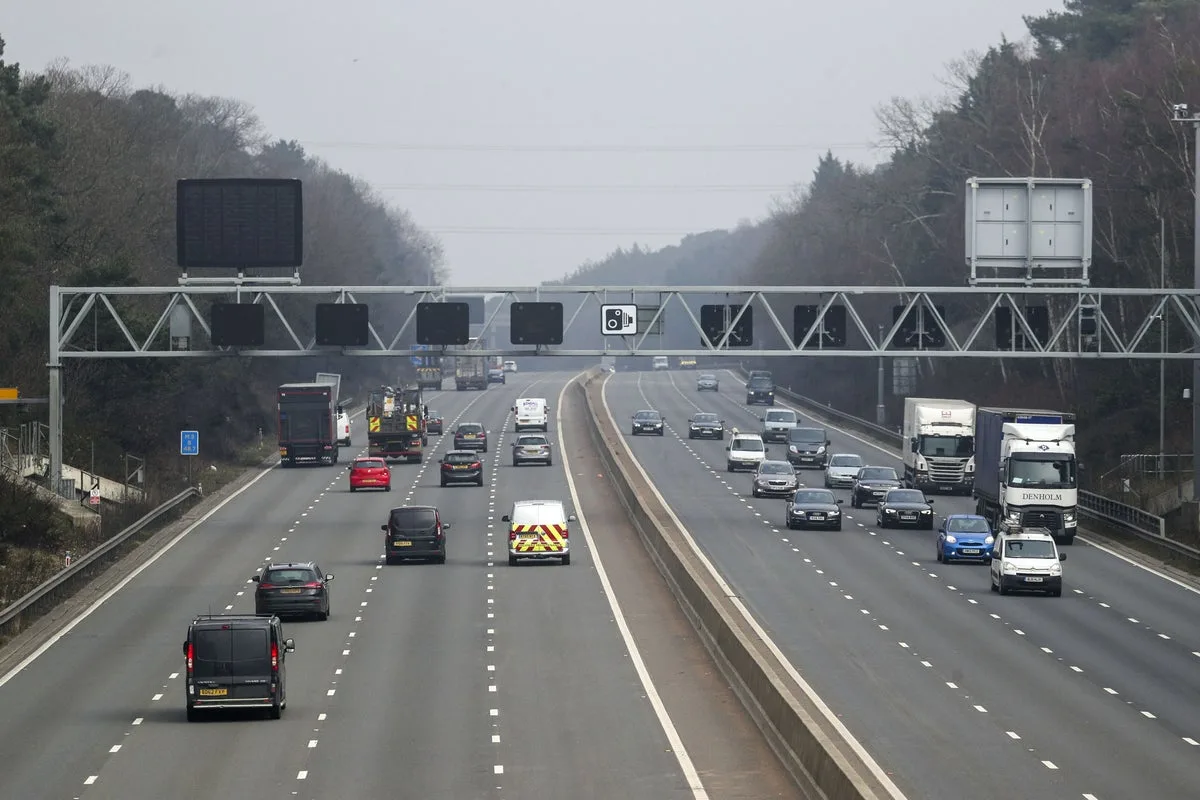
Motorists across England and Wales, excluding London, were caught committing a record 2.9 million motoring offences in 2024, according to Home Office figures. This marks a 9% increase from the previous year's 2.7 million total, the highest since comparable data collection began in 2011.
Speeding accounted for 2.5 million (86%) of all offences, also a new record. More than half (51%) of all offences led to drivers attending a retraining course, while fines were issued in 37% of cases and 12% resulted in court action. The data excludes the Metropolitan Police Service, which recorded nearly 600,000 motoring offences in 2024, a 19% rise from 2023.
William Porter, policy and public affairs manager at road safety charity IAM RoadSmart, said the figures show a “widespread disregard” for speed limits. He called for “a renewed focus on enforcement, education and driver behaviour”, warning that “without decisive intervention, we risk normalising dangerous driving habits that have devastating consequences.”
RAC road safety spokesperson Rod Dennis urged the Government to take “firm action” on speeding, noting that “greater visibility of police officers can also make a significant difference in changing driver behaviour.” Department for Transport figures indicate speed contributed to 59% of fatal crashes in Britain in 2024, more than any other factor.
Churchill Motor Insurance reported that 31% of drivers who attended a speed awareness course in the past three years were caught speeding again. Kevin Mead, head of Churchill, said: “Speeding has a devastating impact on our roads, contributing to countless avoidable collisions, life‑changing injuries and needless loss of life.”
Transport for London recently announced a trial of new radar-based speed cameras in up to 10 locations across the capital. These cameras do not require a visible flash or road markings and can monitor up to five lanes of traffic in two directions, compared to the three-lane capacity of current models.