

Railways Close 'Bonkers' Ticket Refund Loophole to Stop £40m Fraud
Train operators are taking decisive action to shut down a "completely bonkers" ticket fraud loophole that has been exploited by unscrupulous passengers, costing the railways an estimated £40 million annually. This gaping flaw in the system, which allowed refunds for unused tickets up to four weeks after travel, will be closed from 1 April, bringing Britain in line with international railway practices.
The Fraudulent Scheme Exposed
Under the current rules, passengers purchasing flexible "anytime" or off-peak tickets could claim a refund if they did not use the ticket, provided it remained unclipped, unstamped, or unscanned. Fraudsters exploited this by entering stations without barriers or tailgating through gatelines, avoiding ticket checks on trains and at exits. They then had nearly a month to submit refund claims for allegedly unused tickets, paying only a standard £5 fee. For example, a £20 journey effectively became a 75% discount, while a £9.50 trip from Derby to Nottingham could be refunded for a net "savings" of nearly half the fare.
Simon Calder, Travel Correspondent, highlighted this issue by booking a ticket from Derby to Nottingham while in London, with no intention to travel, and successfully claiming a refund minus the £5 fee. He noted that until now, he avoided discussing such vulnerabilities to prevent exploitation, but with the loophole closing next week, it is safe to reveal the details. Practitioners of this fraud faced minimal risk; if caught, they simply paid the correct fare without penalties.

New Refund Rules and Exceptions
From 1 April, refunds will only be permitted up to midnight the day before the scheduled journey, significantly tightening the window for fraudulent claims. However, exceptions remain for on-the-day disruptions, such as cancellations or unacceptable delays, where passengers can still claim full refunds. Additionally, "exceptional circumstances" preventing travel may be considered, ensuring fairness for genuine cases.
This change aligns Britain with other countries where refunds are not routinely available once a ticket becomes valid for use. It aims to protect honest passengers and taxpayers from subsidising fraud, which has drained resources from the railway system.
Evolution of Ticketing Methods
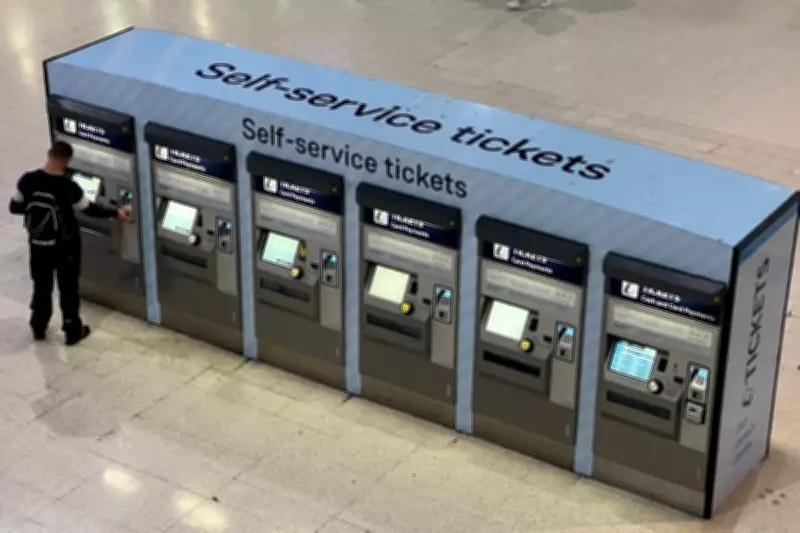
The crackdown comes as traditional ticketing methods decline. Only one in ten rail tickets is now purchased from a human at a booking office, and one in twelve from a vending machine, making these options a "minority sport." This low uptake may reignite debates about closing ticket offices. Over a quarter of journeys, particularly in London, use "pay as you go" systems like contactless bank cards or Oyster cards, offering convenience and global usability—for instance, a UK credit card was used for a £1.10 journey from Chengdu airport to the city centre.
Online purchases dominate, accounting for 53% of tickets. Meanwhile, innovative apps in the Midlands and North of England track travel via GPS, allowing passengers to tap in and out for fare calculation at the end of the day, often at lower rates. For example, a real trip between Nottingham and Derby cost £5 using this system, matching the refund fee for a fraudulent non-journey.
As the railway adapts to modern technologies, closing this refund loophole marks a critical step in combating fraud and ensuring financial integrity for the future of rail travel.






