Rail passengers travelling between London and Essex face timetable changes and longer journeys from Tuesday as record-breaking summer heat has affected the railway tracks.
Amended timetables are being introduced on c2c services from Tuesday, August 25, followed by changes to some Greater Anglia services next week. Some journeys will take between two and eight minutes longer than usual, while departure and arrival times will also be adjusted.
Why the changes are needed
The changes come as prolonged hot and dry weather, combined with low rainfall, has caused clay beneath long stretches of the railway in Essex to dry out and shrink, which has affected the condition of the track.

Speed restrictions are being introduced alongside temporary timetable changes in an effort to keep services running safely and reduce the risk of disruption at short notice.
What passengers need to know
Timetable changes will come into effect on the c2c route on Tuesday, August 25. Changes will then be introduced on the Greater Anglia line between Southend Victoria and London from Tuesday, September 1.
Passengers are being advised to check their specific journeys before travelling on the c2c and Greater Anglia websites. Speed restrictions are not currently affecting Elizabeth line services, but passengers are advised to check TfL Go or the TfL website for the latest travel information before setting off.
How long will the changes last?
Speed restrictions will need to be in place until conditions on the ground have recovered. At the moment, there is no set timeframe for how long this will take. Network Rail has said GBR Anglia is working to reintroduce the normal timetables as quickly as possible.
Engineers are continuing to monitor track conditions across the region, and further speed restrictions could be introduced in the coming weeks.
Future-proofing the railway
Network Rail is carrying out extra engineering work to protect the railway from extreme weather and the effects of climate change. The work forms part of a £2.6 billion investment in maintaining and renewing tracks, including improvements to drainage, earthworks and overhead power lines.
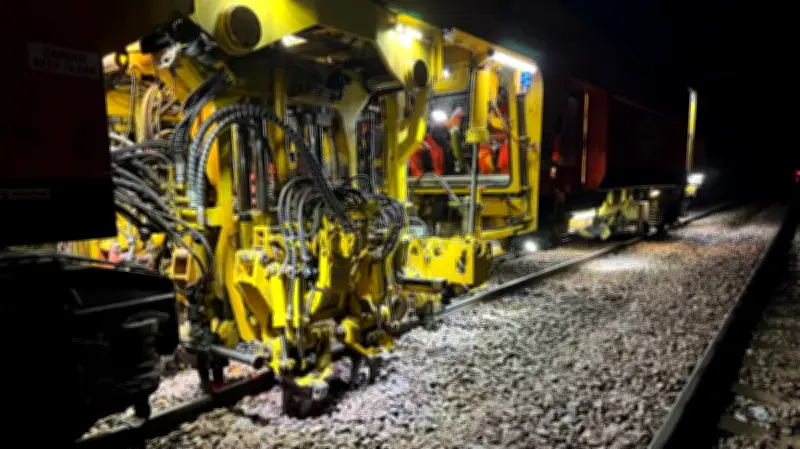
In Anglia, engineers are carrying out additional work this summer to limit the impact of soil drying out beneath the railway. Specialist machines known as tampers are being used to compact the stones beneath the tracks, creating a more stable foundation for trains. New ballast — the stones that sit beneath the rails and sleepers — is also being added to help raise and stabilise sections of track.
Last year, engineers used tampers on around 100km of track in Anglia affected by dried-out soil. Thousands of tonnes of ballast were also laid ahead of this summer, with Network Rail expecting to use 49,000 tonnes across the region during 2026.