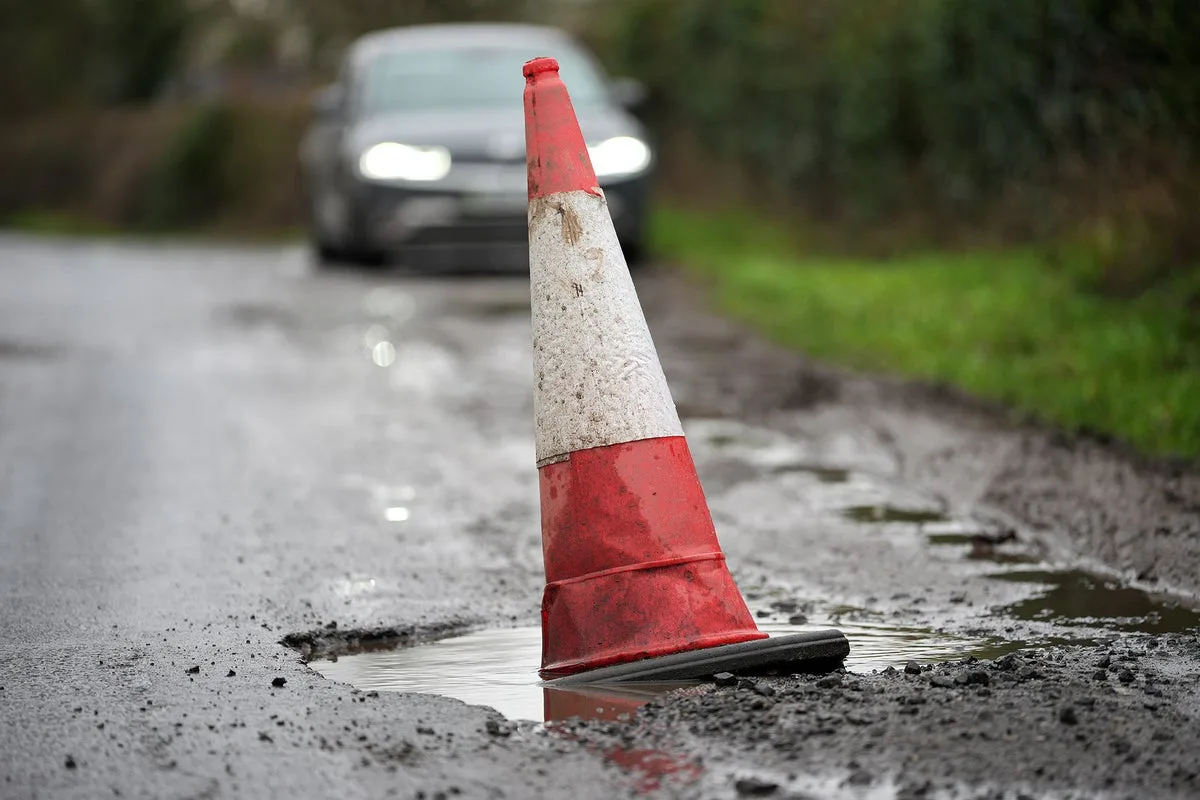
National Pothole Day may have passed on 15 January, but for many UK drivers, every day feels like pothole day. According to the RAC, 29 per cent of drivers report pothole-related vehicle damage over a 12-month period, with repairs costing an average of £590 for anything worse than a puncture.
The government has pledged £1.6 billion for road repairs, covering more than 7 million extra potholes in 2025–2026. However, the Asphalt Industry Alliance estimates the backlog of local road repairs in England and Wales stands at £16.8 billion, with an average of six potholes per mile, according to the RAC.
As car buyers, there may be another solution: choosing vehicles designed to handle poor roads. The Nio ET9, developed in the UK, uses an advanced active suspension system from ClearMotion that smooths out bumps like noise-cancelling headphones. While the ET9 is not yet available here, and the Porsche Panamera with a similar system is expensive, the Citroen C5 Aircross offers a more affordable alternative with its comfort-focused suspension and larger tyres.
Citroen's approach prioritises comfort over performance, using tyre sizes like 235/50 R20, where the 50 per cent aspect ratio provides extra sidewall depth to absorb pothole impacts. Smaller wheels with bigger tyres generally improve ride quality and pothole resistance, though they may look less attractive than the large, low-profile tyres common on many cars.
For those looking to pothole-proof their vehicle, switching to smaller wheels with larger tyres can help, though it may be expensive. Choosing lower trim levels that often come with such tyres is a more cost-effective option. Until the pothole plague wanes, careful car selection could make a significant difference.