
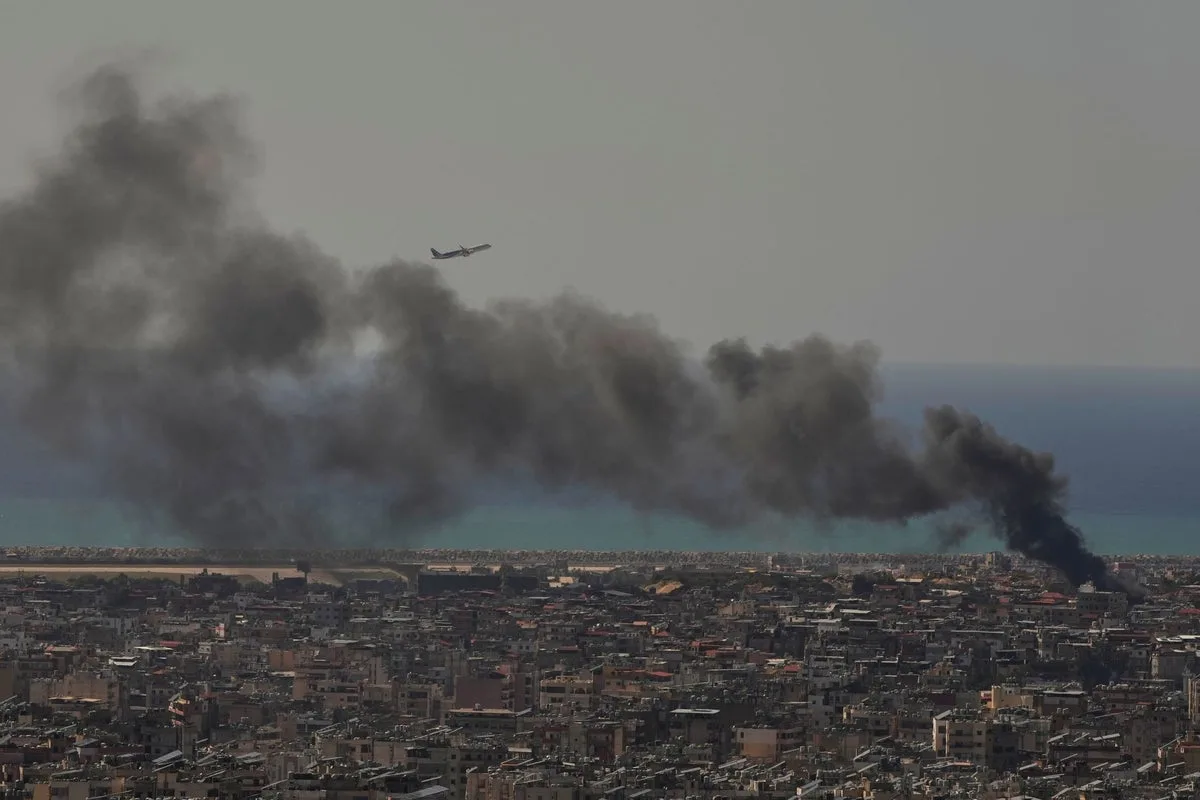
Airline pilots are reportedly facing significant pressure to accept assignments in the Middle East conflict zone, with many fearing professional repercussions, including dismissal or loss of pay, if they refuse on safety grounds. The concerns were highlighted by Ron Hay, president of the International Federation of Air Line Pilots' Associations (IFALPA), who said aviators globally have expressed “widespread” anxieties about retribution.
“There is an underlying fear of retribution,” Hay told Reuters, adding that some pilots worried about being fired, while others feared managers might say, “Don't fly the trip and you don't get paid for it.” He declined to name specific airlines but said such practices undermine a positive safety culture where pilots are encouraged to speak up.
The concerns come as some Middle Eastern carriers continue to reinstate flights despite ongoing attacks and a fragile ceasefire. IFALPA this week published a paper reminding airlines that pilots must have a “non-negotiable” say on safety matters. “That’s been lacking in the Middle East region for quite some time and it’s just been exacerbated by this conflict,” Hay said.
In late March, Indian member pilots of IFALPA called Air India's continued operations to the region a “grave concern” and urged the country's civil aviation regulator to suspend flights until a risk assessment is conducted. A source familiar with Air India said the airline uses risk consultants to monitor daily safety. Meanwhile, the EU Aviation Safety Agency extended its ban on European airlines flying in Gulf airspace until April 24, but carriers based in Dubai and Doha continue to operate.
Pilots have also faced challenges on the ground. Hay noted a query from members in Beirut whose roads to the airport had been bombed, leaving them unsure how to get home. The UN aviation agency issued a bulletin calling mental health risks in conflict zones “safety critical,” citing higher stress, anxiety, and fatigue. Reuters attempted to contact over a dozen Gulf-based pilots, but all declined to speak on the record.




