A proposed 14-mile dual carriageway tunnel under the Pennines connecting Manchester and Sheffield has received a £500,000 funding boost for a feasibility study.
The grant, awarded to the organisation Future Works by the UK Dynamism Fund, will support environmental studies and demonstrate that Scandinavian tunnelling techniques can work on the scheme. The project, named Trans-Pennine Connect, aims to cut journey times between the two cities by 30 minutes and reduce traffic through the Peak District National Park.
Project Aims and Funding
Trans-Pennine Connect proposes building a road tunnel below ground, restoring a lost railway line, and returning moorland to nature. The transport corridor between Manchester and Sheffield is currently known for delays and congestion, and the project aims to improve both road and rail connections.
Future Works, co-founded by Michael Dnes, plans to build the dual carriageway alongside a railway line, drawing inspiration from engineers in Norway who constructed the world's longest road tunnel, the 24.5km Lærdal, for around £130m. The organisation believes this approach will make the project significantly cheaper than previous estimates.
Cost Comparison and Background
The Department for Transport (DfT) investigated a similar tunnel a decade ago but deemed it too expensive at around £10bn. A DfT report at the time highlighted the scheme's potential environmental and economic benefits, describing it as a 'catalyst to explore further improvements in east-west connectivity, including linking the international ports on Merseyside and Humberside'. However, the high cost meant the project never progressed.
Future Works believes the tunnel can be built for just £2bn using the drill-and-blast method common in Norway, rather than the standard British tunnel-boring machine approach. This technique uses traditional mining methods, the natural strength of the rock, and small expert crews. The teams believe this method could work in the Pennines due to the geology, which features rock similar to that found in Norwegian mountains.
Route Plans and Funding Model
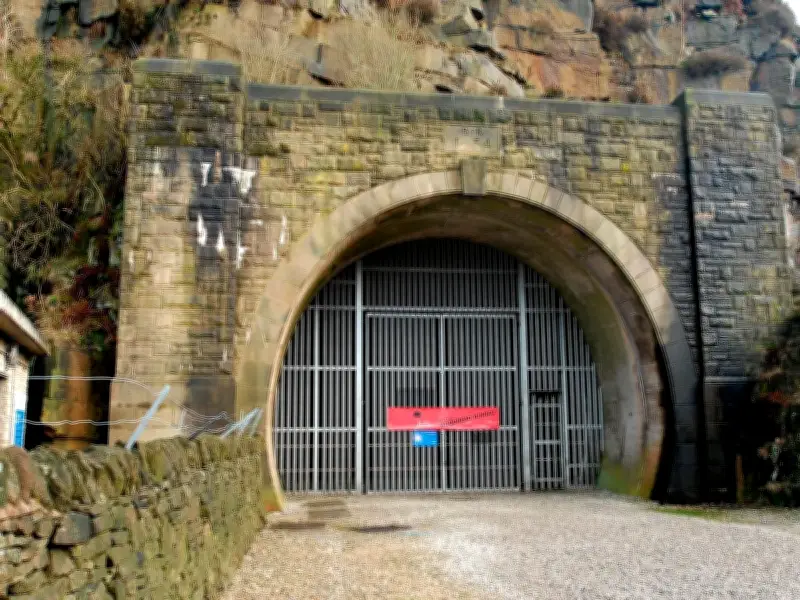
The scheme would replace the Woodhead Pass (A628) and Snake Pass as the main through routes on the road. Future Works also hopes to restore the Woodhead railway line, which closed to the public in the 1970s and entirely in 1981 when coal lines were discontinued. One of the current Woodhead tunnels, which carry electricity lines for the national grid, would be used for the new road and railway.
Mr Dnes said: "We're very excited to be working with the UK Dynamism Fund to unlock the next stage of our project. This funding will let us show how to get better transport connections and environmental outcomes across the Pennines." He added: "We are extremely encouraged by the support our plan has received so far, and we're looking forward to more productive conversation with local communities, businesses and political leaders."
According to Mr Dnes, the previous model of seeking direct government funding through the DfT never materialised after appetite for big road projects waned. His team believes the project could be funded by large pension funds or local authorities, with costs paid back over time through tolls on the tunnel. Mr Dnes explained that tolls could work out cheaper than paying for fuel costs to travel an alternative route, particularly for larger vehicles such as HGVs.