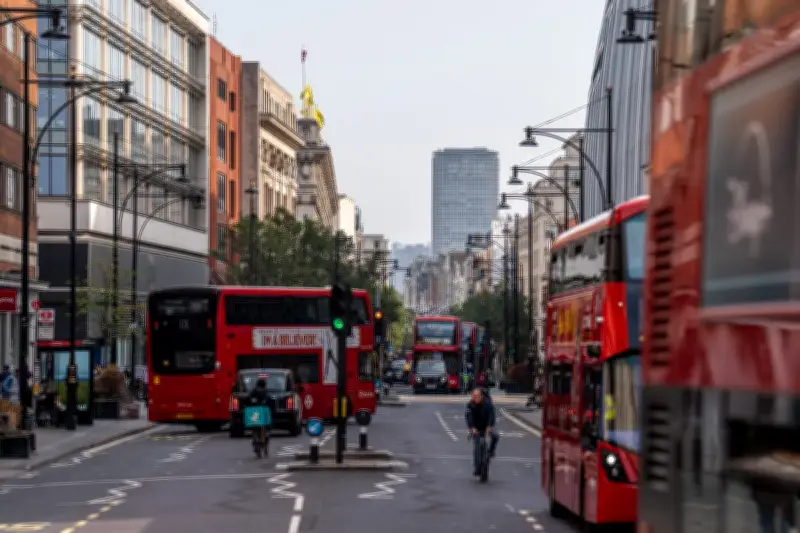
Bus journeys are taking up to 11 minutes longer following the pedestrianisation of Oxford Street, according to figures collated by local residents.
Data compiled by the Marylebone Association using Bustimes.org suggests the delays could be much worse than originally predicted by Transport for London (TfL) during the consultation stage of the project. The biggest difference is on the eastbound Route 98 during the evening rush hour, where TfL had forecast the changes would add just two to three minutes to the journey.
But residents say the latest timetable suggests the journey now takes 28 minutes, up from 17 – an extra 11 minutes, or a 65 per cent increase.
Diversion through Marylebone
The Route 98 previously travelled along Oxford Street but has now been diverted through Orchard Street, Wigmore Street and the Cavendish Square area.
Routes 139 and 390 also follow the same diversion, although a like-for-like comparison of their timetables before and after the changes has yet to be established.
Residents say the changes have squeezed even more traffic onto already congested streets, forcing buses, taxis, delivery drivers, tradespeople and local residents to compete for the same road space.
Wider congestion concerns
They warn that the consequences are being felt well beyond the diverted bus routes, with congestion spreading across the wider Marylebone area.
TfL says it uses traffic modelling to assess the impact of the Oxford Street changes, adding it is continuing to monitor conditions and adjust traffic signals to keep vehicles moving.
The transport authority says it anticipated a few extra minutes to bus journey times and has built contingency into revised timetables to allow traffic to settle. Therefore, the revised timings may not reflect the actual journeys being made on the road.
Construction and response
TfL said ongoing construction work at Cavendish Square was also a factor adding to eastbound bus journey times and it hopes to reduce delays once the works are complete by rerouting buses through the square.
The Marylebone Association said the opening of the pedestrianised street had brought a stark contrast between the two sides of the West End.
A spokesperson said Monday, October 26, had heralded the “dawn of a traffic-free Oxford Street and a traffic-clogged Marylebone.”
“TfL had given the scheme the best possible chance of a trouble-free opening by introducing it during the traditionally quieter October half-term. But even with reduced traffic volumes, the pressure on surrounding streets rapidly became apparent,” they said. “On Orchard Street, Margaret Street and Great Portland Street, bus drivers were having to negotiate unfamiliar and convoluted new routes. The diversion of traffic onto Wigmore Street, Henrietta Place and other surrounding roads rapidly revealed the practical consequences of removing the West End’s major east–west artery.”
And while the publicity surrounding Oxford Street's transformation is beginning to fade, residents claim they are being left to deal with the fallout.
They say they are the ones “left to absorb all the traffic from a transport network shorn of its historic thoroughfare.”
A spokesperson for Transport for London said: “As with any scheme which TfL implements, we will be closely monitoring the scheme for any impacts and should any issues become apparent, we will look to understand and address these where possible.
“There will always be occasional short-term issues that can impact traffic flow across the wider network, and TfL actively work to adjust traffic signal timings to ensure traffic keeps moving.
“As drivers adjust to the new traffic layout in the coming weeks, traffic levels are expected to settle across the wider area, which will also support bus journey times.”