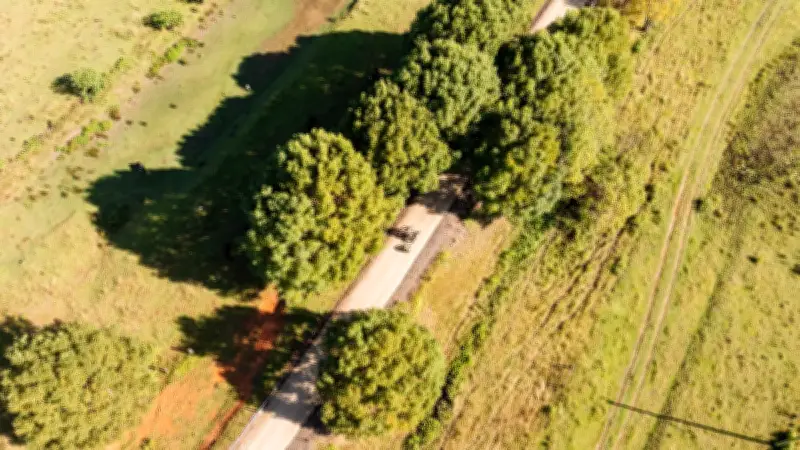
A joint request for $42 million in federal grant funding to complete the 54-kilometre missing link of the Northern Rivers Rail Trail has been rejected, dashing hopes of connecting the two existing sections of the trail through Byron, Lismore and Ballina shire councils.
The decision, announced in June, was described as 'heartbreaking' by Byron Shire Mayor Sarah Ndiaye, who noted that the refusal was unexpected and that authorities appeared to have 'picked smaller projects to have more impact in more places.'
Trail Vision and Current State
Once completed, the 135-kilometre rail trail would allow cyclists to travel from the canefields in the Tweed region south along the coast through Mullumbimby and Byron Bay, then inland through Bangalow, Lismore and Casino. Currently, the trail exists in two separate halves: one around the Tweed River area and another in the western hinterland between Casino and Lismore.
The trail passes through scenic landscapes including rainforest, old train tunnels, and rolling hills. One such tunnel, the Burringbar tunnel, has been colonised by glow-worms and microbats, attracting visitors like Brisbane cyclist Paul Hixon, who was riding the Murwillumbah to Crabbes Creek section with his daughters.
Community and Economic Impact
Ballina Shire Mayor Sharon Cadwallader emphasised the trail's broader significance: 'It's more than a cycling path: it's a regional economic project, a tourism project, a health project and a community connection project.' She noted that public transport is virtually nonexistent in the region and that the trail would provide a safe alternative to roads, where cyclists are often at risk.
Cadwallader also highlighted the economic challenges facing the region, with GDP declining by 2.50% in Ballina, 1.90% in Lismore, 4.90% in Byron, and 2.10% in the Richmond valley during the 2024-25 financial year. Mayor Ndiaye linked part of this decline to climate change, citing the $300 million in damage from a single night of disaster in 2022.
Historical Context
The Lismore to Tweed branch line railway, originally built to serve local farmers, officially opened in 1894 after a decade of lobbying. Steam trains were later replaced by diesel, and the service continued until 2004, when the XPT service ended. A crowd of 200 people saw off the last train with candles, a mock coffin and protest signs.
Lydia Kindred from Northern Rivers Rail Ltd advocates for reviving rail service in the region, initially by extending an existing solar-powered train from Byron to Mullumbimby. She sees the train and rail trail as 'complimentary,' stating, 'Having both, to us, seems like the answer. The whole thing could be a real model for other regions.'
Campaign for Completion
Longtime rail trail advocate Pat Grier, inspired by New Zealand's 150-kilometre Otago Central Rail Trail, believes the Northern Rivers region has everything needed to attract visitors: spectacular landscapes, rich history, good food, local distilleries, and cultural festivals. After the funding rejection, he and his group launched a new campaign calling for the trail's completion.
'I think something positive will come from this setback as now people realise they have to fight for it,' Grier said. 'It really is all about vision. This would transform the region. We aren't giving up.'
This story was amended on 19 July 2026 to reflect that Ballina Shire Council was not part of the joint federal funding grant request, as a previous version stated.