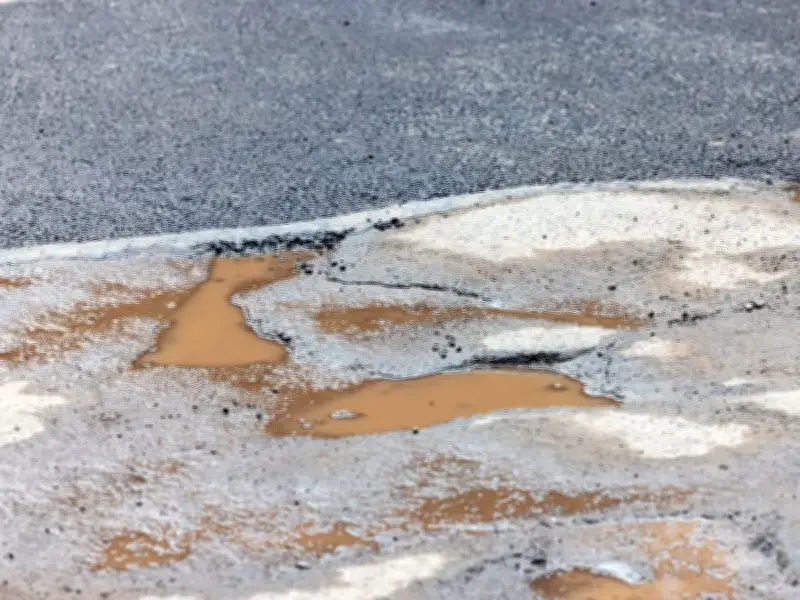
Cardiff Council has cleared its winter pothole backlog thanks to new technology, with reports of potholes now falling considerably. The Welsh capital faced an unprecedented streak of bad weather earlier this year, as it rained every day for the first 40 days of 2026.
Due to the prolonged wet weather and cold snaps, an unprecedented number of potholes were reported to the city's council, resulting in a sizeable backlog. The council has now deployed a specialist thermal road repair machine to help patch up potholes and damaged road surfaces across the city.
How the thermal machine works
The machine works by heating the existing road surface before new material is applied, allowing much of the existing material to be reused and creating a stronger bond between the old and new surface. This process removes the need for traditional cuts around the repair area and joints that can allow water to seep into the road and weaken repairs over time.

However, the thermal machine cannot be used everywhere. In areas where the machine cannot be used, the council continues to carry out traditional cut-and-seal repairs to ensure defects are repaired to the required standards.
Impact on pothole reports
Due to a combination of Wales' recent long run of dry weather and the new technology, Cardiff Council has repaired the potholes reported during the winter period. Reports identified through inspections and by the general public have now fallen by considerable levels.
Councillor Ed Stubbs, the cabinet member in charge of frontline services such as road repairs, said: "Keeping Cardiff's roads safe and in good condition is a priority for us, and we're constantly looking at ways to improve how we maintain our highway network, with the budget available.
"Last winter, Cardiff, like many other areas across the UK, experienced an unprecedented number of highway defects due to exceptionally wet weather and periods of freezing temperatures. This technology allows us to carry out high-quality repairs that create a stronger bond with the existing road surface, helping to extend the life of repairs and reduce disruption for road users."
He added that there is "no single solution" for every pothole and that multiple methods will be used to patch potholes across the city.