Munich Airport and Lufthansa Issue Apologies for Snowstorm Stranding Incident
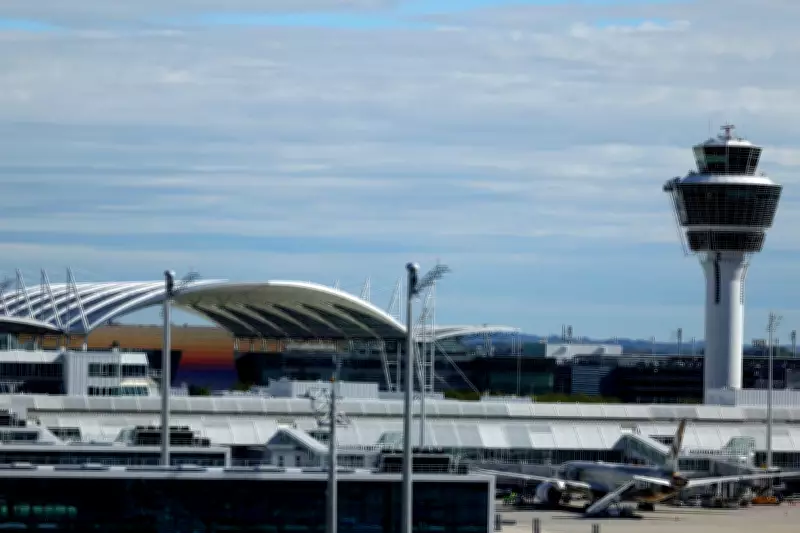
Munich Airport and Lufthansa have formally apologised after approximately 600 passengers were left stranded on six aircraft during a severe snowstorm on 19 February 2026. The incident, which has sparked widespread criticism, saw travellers endure hours aboard planes with limited access to essential supplies such as food and blankets, while receiving sparse updates from flight crews.
Operational Failures and Staff Shortages Exacerbate Crisis
Both organisations have admitted to making significant mistakes during the emergency, pledging to overhaul their emergency protocols to prevent a recurrence. Key contributing factors included operational shortfalls, such as a lack of available terminal space, stretched bus capacity for passenger transfers, and severe staff shortages. These issues were further exacerbated by a strict night curfew at the airport, which hampered response efforts and left passengers trapped overnight.
The snowstorm, which hit Munich with unexpected intensity, led to chaotic scenes as flights were grounded and airport operations struggled to cope. Passengers reported feeling abandoned and frustrated, with many taking to social media to share their experiences of the ordeal.

Union and Political Criticism Mounts Over Handling
The incident has drawn sharp criticism from pilot and firefighter unions, who highlighted safety concerns and the inadequate emergency preparedness. Local politicians have also expressed deep concerns, warning that the stranding could damage Munich's reputation as a vital international transit hub in Europe.
In response, Munich Airport and Lufthansa have committed to conducting thorough reviews of their crisis management procedures. They aim to implement new measures, including improved communication systems, enhanced staff training, and better coordination with local authorities during extreme weather events.
This apology and pledge for change come as the aviation industry faces increasing scrutiny over passenger welfare during disruptions, with calls for stricter regulations to ensure such incidents are avoided in the future.