
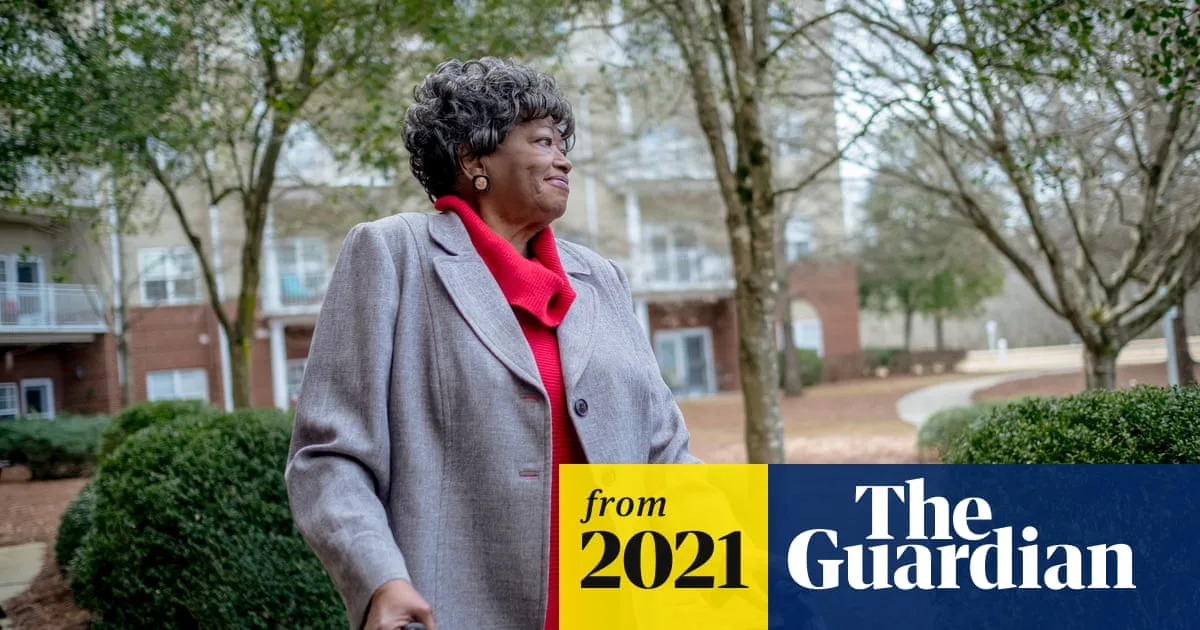
On 2 March 1955, a 15-year-old Black student named Claudette Colvin refused to give up her seat on a segregated bus in Montgomery, Alabama, an act of defiance that predated Rosa Parks' more famous protest by nine months. Colvin, a gifted student with aspirations to become a civil rights attorney, was returning home from Booker T Washington High School when the white bus driver ordered her to vacate her seat for a white passenger. She remained seated, later recalling that she felt as if Harriet Tubman and Sojourner Truth were pushing her down, giving her the courage to stay.
Two white police officers dragged her from the bus as she shouted, 'It's my constitutional right.' She was handcuffed, jailed, and charged with violating segregation laws, disturbing the peace, and assaulting a police officer. Although she pleaded not guilty, she was convicted, though two charges were dropped on appeal. Her arrest occurred months before Rosa Parks' similar stand in December 1955, which sparked the Montgomery bus boycott.
For decades, Colvin's role was largely overlooked by civil rights history. Revisionist historians and journalists, including Gary Younge, and Phillip Hoose's award-winning biography 'Twice Toward Justice' helped correct the record in the early 2000s. Colvin's actions laid the legal groundwork for challenging transportation segregation in federal court, making her an unsung hero of the movement, often labelled 'the original Rosa Parks'.
Growing up in rural Pine Level, Alabama, Colvin experienced racism from a young age. At around six years old, a white boy touched her hands in a store, and her mother slapped her, teaching her that Black and white people were not supposed to touch. Later, moving to Montgomery's King Hill neighbourhood, she witnessed the brutal execution of a classmate, Jeremiah Reeves, by an all-white jury for a crime he likely did not commit. These experiences shaped her resolve.
Now living in a retirement home in Birmingham, Alabama, Colvin remains candid about her past. She reflects on the racial oppression she faced and the courage it took to remain seated. Her story, once marginalised, is now recognised as a pivotal moment in the fight for civil rights.




