
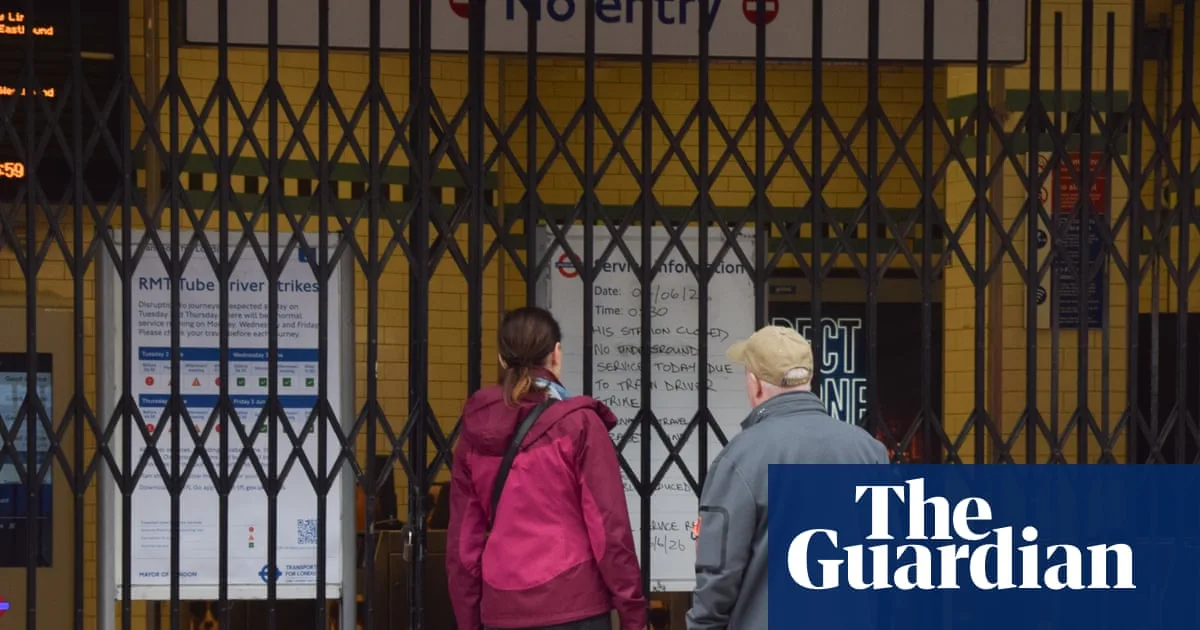
London commuters faced another day of disruption on Thursday as a second 24-hour strike by London Underground drivers took place. The industrial action, called by the RMT union, is centred on a dispute over the introduction of a four-day working week for drivers.
Transport for London (TfL) reported no service on the Circle and Piccadilly lines, with central sections of the Metropolitan and Central lines also shut. Other lines began later than usual and finished earlier, with less frequent services. Severe delays were reported on the District, Bakerloo and Northern lines in the morning.
Despite the strike, some services such as the Elizabeth line, London Overground, national rail and DLR operated normally. Buses were expected to be busy due to diverted passengers. TfL noted that Tuesday's strike had not closed most of the network, as 60% of drivers reported for work, suggesting many RMT members did not participate.
The proposed change has been welcomed by the Aslef union, which represents over half of Tube drivers, but the RMT has blocked it. TfL accused the RMT of refusing to engage, while the union claims TfL is forcing changes. Talks at Acas ended without resolution on Monday, and no further negotiations have occurred since.
A TfL spokesperson thanked customers for their patience and noted that contactless tap data showed only a 10% drop across the day, with Tube journeys down 41% but bus, Overground and Elizabeth line usage up. Services returned to normal on Wednesday morning. The RMT declined to comment but has not scheduled further strikes. Talks are expected next week.




