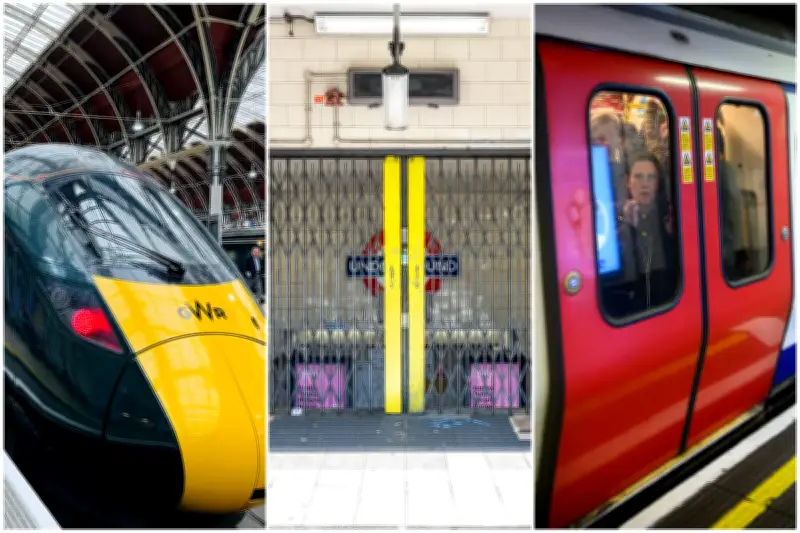
London is set for months of travel disruption as several rail unions announce strike action before the end of the year. The Transport Salaried Staffs' Association (TSSA) is the latest to confirm walkouts, with a major London Underground line closing this weekend. The union joins the RMT and GWR in announcing industrial action.
TSSA strikes to hit Piccadilly line
The TSSA has announced strike action for the forthcoming weekend, closing the Piccadilly line from midday on Friday until around 6pm on Saturday. The industrial action will also severely disrupt the District line, while other lines on the network will be unaffected.
The walkouts follow a row over a Tube Service Control employee and TSSA member who the union says has been unfairly dismissed by London Underground. Around 20 TSSA Service Control members voted unanimously for strike action, with an 83% turnout. The TSSA has also claimed there was “improper conduct” by TfL's investigation team, alleging it accessed and shared a union member's private and confidential information with third parties, which it claimed may breach GDPR regulations.
Announcing the strike action, TSSA General Secretary Maryam Eslamdoust said: “An injury to one is an injury to all and our members working in Service Control on the Piccadilly Line are determined to take this industrial action in support of their colleague who has been unfairly treated by London Underground.”
“The unanimous vote for strikes demonstrates the real depth of feeling our members have about this matter. Because this group of workers are Control staff, directing trains to where they need to be, it's very likely their action will significantly disrupt the Piccadilly Line. However, there's still time to stop this happening if London Underground are willing to make good on the ill-treatment of our member and find a fair and reasonable resolution.”
TfL says that if the strike goes ahead, Piccadilly line customers should complete journeys by 10.30am on Friday as service will begin to reduce after this time.
RMT announce eight 24-hour walkouts
The RMT union is to stage eight 24-hour walkouts in a long-running dispute over a four-day week for Tube drivers beginning on November 26. The latest industrial action comes after several strikes earlier this year. Londoners face travel chaos in the run-up to Christmas and in the New Year due to the walkouts.
The union says drivers will face longer hours driving trains and work longer days, but TfL said the change would be voluntary and would mean drivers work fewer hours overall. The RMT and Transport for London were in talks over the summer to try to resolve the stand-off, but the two sides failed to reach an agreement over the changes which are strongly backed by the Aslef train drivers' union. The reforms will give drivers, many of whom earn more than £70,000, more time away from work and will cut rostered hours to 34 from the current average of 36, Aslef stressed.
The 24-hour walkouts will take place on the following days: Thursday, November 26, 2026; Thursday, December 17, 2026; Saturday, December 19, 2026; Monday, January 4, 2027; Wednesday, January 6, 2027; Wednesday, February 17, 2027; Tuesday, February 23, 2027; and Thursday, February 25, 2027.
Justifying the strike, RMT general secretary Eddie Dempsey said: “London Underground is attempting to dress up a wholesale attack on drivers' working conditions as a voluntary four-day week. But there is nothing voluntary about a scheme that forces drivers to give up existing protections whether they work four days or five, and threatens those who refuse with displacement from their depots.”
GWR walkouts 'inevitable'
The TSSA has also warned that strikes are set to take place on a busy London commuter service. The union has said the industrial action is “inevitable” unless rail chiefs make concessions in a row over pay and working arrangements. It warned that the walkouts would have a “real impact” on services to and from London.
The threat of significant disruption is on Great Western Railway (GWR) services after staff backed strike action in a dispute over flexible working arrangements, pay and pensions. GWR runs commuter and long-distance services in and out of London Paddington linking the capital to the South West, Wales and the South. TSSA members who are overwhelmingly supporting industrial action work in areas including rostering, service delivery and performance strategy.
Separate votes in different areas of the business, such as the finance department, showed strong support for industrial action short of strikes, the union said. GWR bosses said they are still working to try to avert the walkouts and other industrial action. A GWR spokesperson told The Standard: “We continue to work with colleagues and their trades union representatives to find a mutually beneficial solution to the dispute and avoid damaging strike action.”