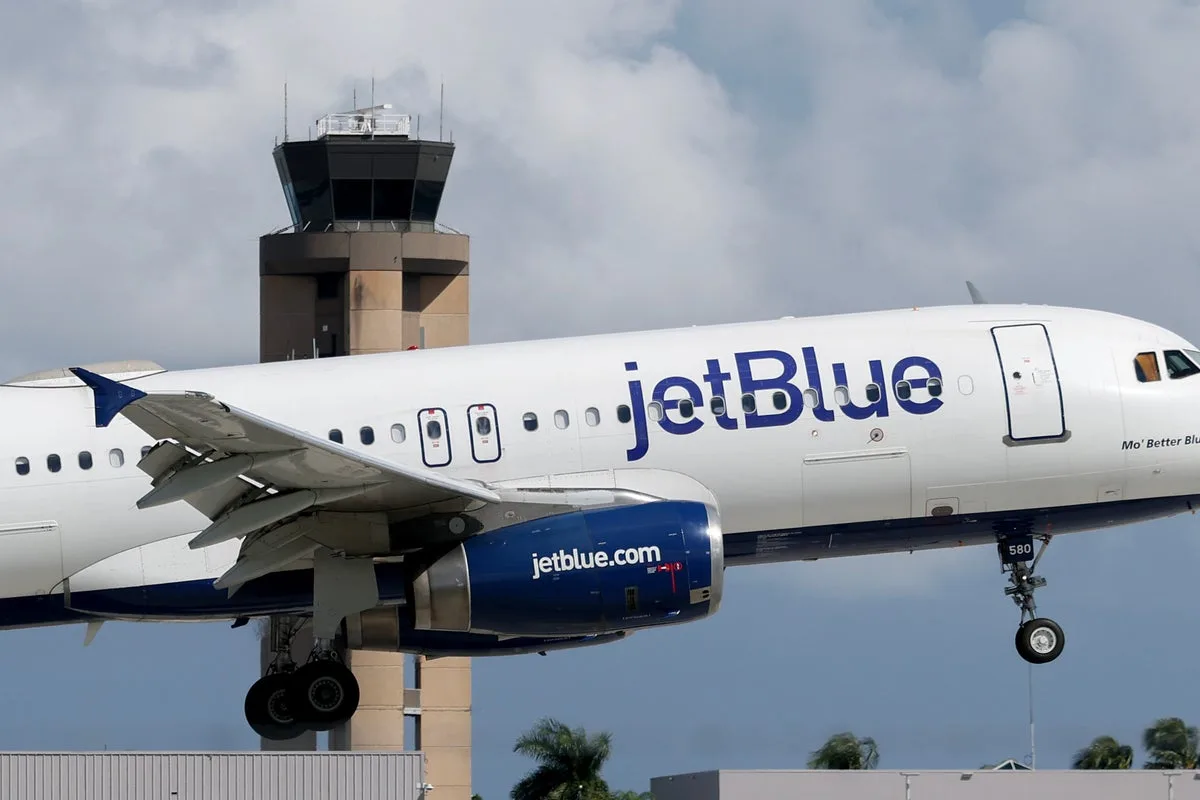
JetBlue Hikes Checked Baggage Fees by $4 Amid Rising Fuel Costs
JetBlue Raises Baggage Fees by $4 Due to Fuel Costs

JetBlue has announced a significant increase in its checked baggage fees, raising prices by at least $4 as the budget-friendly airline contends with escalating fuel costs. This move positions JetBlue as the first major U.S. carrier to implement such a hike amidst the ongoing geopolitical fallout from the U.S.-Israeli conflict with Iran, with industry analysts suggesting other airlines may soon follow suit.

Fee Increases and Operational Pressures

The airline's updated pricing structure now shows a minimum charge of $39 for the first checked bag, which includes a $10 discount for customers who pre-book online. This represents a $4 increase from the previous rate of $35. During peak travel periods, such as summer months and major U.S. holidays, the fee will see a more substantial jump from $40 to $49.

A JetBlue spokesperson explained the decision to The Independent, stating, "As we experience rising operating costs, we regularly evaluate how to manage those costs while keeping base fares competitive and continuing to invest in the experience our customers value." The airline emphasized that adjusting fees for optional services like checked baggage allows them to maintain competitive fares while delivering valued amenities including complimentary snacks and drinks, unlimited high-speed Wi-Fi, and seatback entertainment screens.

Wide Pickt banner — collaborative shopping lists app for Telegram, phone mockup with grocery list

Geopolitical Context and Industry Impact

The fee increase comes against a backdrop of soaring oil prices that have placed tremendous pressure on airline operations worldwide. The ongoing U.S.-Israeli war with Iran has significantly disrupted global oil supplies, particularly through the closure of the crucial Strait of Hormuz off Iran's southern coast. This strategic waterway remains closed to all but a handful of ships permitted passage by the Iranian government, dramatically reducing the world's supply of oil and oil-based products including jet fuel.

According to Associated Press reports, the conflict has resulted in more than 3,100 fatalities, including 13 U.S. service members, and has expanded to include Iranian retaliation against U.S. allies in the Persian Gulf region and an Israeli incursion into Lebanon. These developments have created a perfect storm of increased operational costs for airlines, with some industry experts warning that certain carriers may "not survive" if the crisis persists.

Competitive Landscape and Historical Context

While JetBlue appears to be leading this round of baggage fee increases, other major U.S. carriers including American Airlines, Delta Air Lines, United Airlines, Southwest Airlines, Frontier Airlines, and Alaska Airlines had not yet adjusted their checked baggage fees as of Monday, March 30. However, industry observers note that it's not uncommon for one airline's price hike to trigger similar increases across the sector as competitors seek to maintain profitability.

JetBlue's previous baggage fee structure was confirmed through cached Google search results and third-party financial advice websites like NerdWallet, as the airline does not appear to maintain historical snapshots of its baggage fees page. The current changes represent a strategic response to unprecedented market conditions that have forced airlines worldwide to reconsider their pricing models and operational strategies.

The airline acknowledged the inconvenience to customers, stating, "While we recognize that fee increases are never ideal, we take careful consideration to ensure these changes are implemented only when necessary." This measured approach reflects the broader challenges facing the aviation industry as it navigates both economic pressures and geopolitical uncertainties in an increasingly volatile global landscape.

Pickt after-article banner — collaborative shopping lists app with family illustration