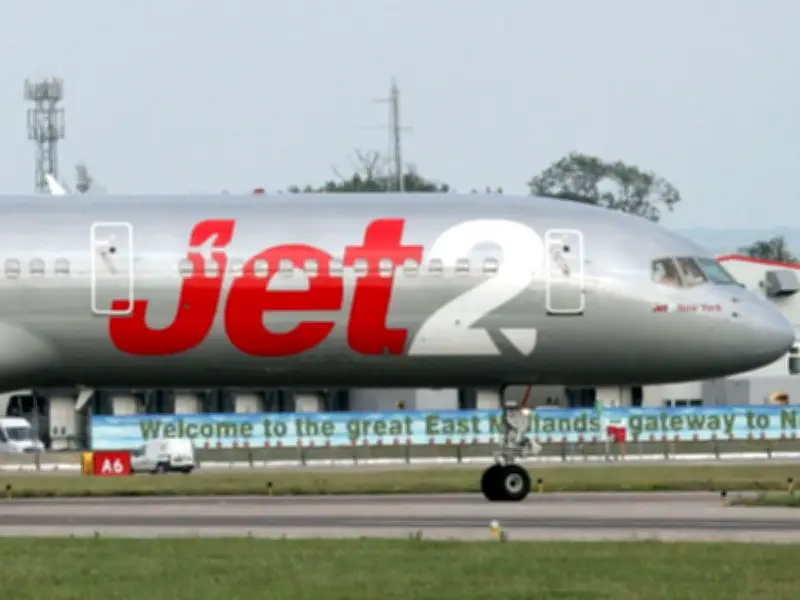
Jet2 has introduced two new upgrades for customers, including in-seat charging for the first time, allowing holidaymakers to keep their phones and tablets powered during flights. The charging ports are part of the new Kestrel seats being added to Jet2 planes, making the company the first UK airline to use them.
The seats provide up to two inches of additional legroom and improved comfort, according to Jet2. The airline operated its first flight featuring the new seats on Thursday, 19 November, on a service from Manchester to Tenerife, meaning passengers can already experience the upgrade.
Design and Rollout
According to a press release from Jet2, the seats feature slimline, sculpted seatbacks that provide greater support while creating more room for holidaymakers to stretch out during their journey. The seating will be introduced gradually across Jet2's existing Airbus A321neo fleet and on new aircraft as they are delivered, with the programme ultimately covering 155 aircraft through to 2035.
David Hills, chief customer officer at Jet2, said: “The journey is part of the holiday, and we want our customers to feel comfortable from the moment they settle into their seats. Having more room to stretch out and being able to keep a phone or tablet charged are practical improvements that can make a real difference to the time spent on board.”
Weight and Environmental Benefits
Each seat weighs more than 1.6kg less than the previous-generation design, helping to reduce fuel consumption and carbon emissions. The lighter seating is expected to save around 40 tonnes of fuel and approximately 125 tonnes of carbon dioxide equivalent (CO₂e) emissions per aircraft each year, which is equivalent to 15 hours of flying, according to one calculation by Neg8Carbon.
Manufactured in Norfolk by UK-based Mirus Aircraft Seating, Jet2 says the new Kestrel seats are the latest in a series of measures introduced to improve fuel efficiency, including fitting wingtip extensions to its Boeing 737-800 aircraft and using lighter paint.
In March, easyJet announced that it would be flying with Kestrel seats from 2028. The airline claimed it would lead to a weight saving of up to 500kg per aircraft for larger models in easyJet’s fleet, which is estimated to deliver a combined annual fuel saving of over 12,936 tonnes, equivalent to over 40,513 tonnes of CO2.