

Summer Holiday Plans in Jeopardy as Jet Fuel Crisis Escalates
British holidaymakers have been issued a stark warning today, with the prospect of skyrocketing air fares and widespread flight cancellations looming large this summer. The escalating conflict in the Middle East has triggered a severe jet fuel crisis, prompting ministers to urgently draw up contingency plans to address potential shortages that could severely disrupt travel.
Fuel Prices Skyrocket Amid Geopolitical Tensions
The price of jet fuel across Europe has surged to unprecedented levels this week, nearly doubling compared to pre-conflict figures. This dramatic increase is directly linked to the ongoing war involving Iran, which has retaliated by blockading the strategically vital Strait of Hormuz. This critical maritime chokepoint normally facilitates the passage of approximately one-fifth of the world's oil and gas supplies, meaning the blockade is now choking off up to 10 million barrels of oil daily.
A government source, speaking to the Mail, confirmed that Whitehall officials are actively developing contingency measures. "The supply could be constrained, but it's not clear how significantly yet. We are working up contingencies for if they are needed," the source stated, highlighting the uncertainty surrounding the scale of the impending disruption.

Airline Executives Sound the Alarm on Fare Hikes
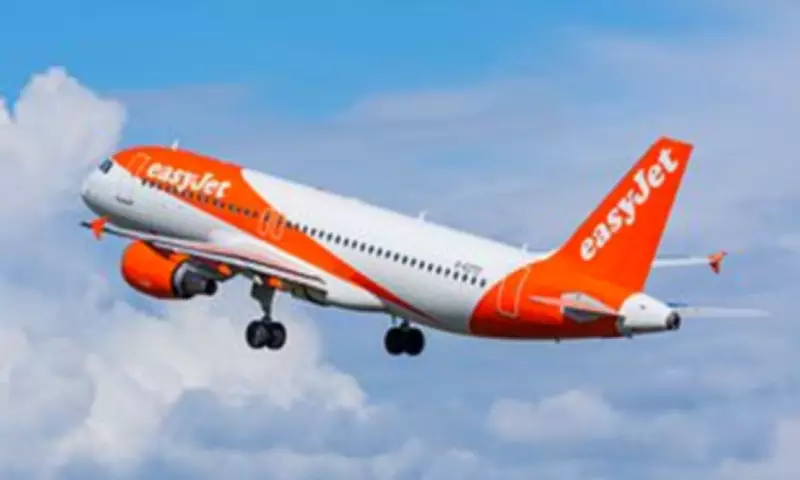
Senior figures within the aviation industry have been vocal about the inevitable financial impact on consumers. Kenton Jarvis, the Chief Executive of easyJet, explicitly warned that air fares are likely to increase this summer if oil prices continue their upward trajectory. "The answer is yes," he confirmed when questioned about potential fare hikes.
Speaking at an industry summit in Brussels, Jarvis elaborated on the precarious economics airlines now face. "The longer prices are elevated, the more you're going to have to start covering your position with more expensive fuel. So my expectation is that prices go up," he explained. He noted that the industry operates on razor-thin margins, making about £7 per seat on average, meaning a £10 increase in fuel costs per seat would necessitate immediate action.
His advice to travellers was unequivocal: "I think the message would be to try and book as early as possible" to secure current prices before any increases take effect.
Willie Walsh, the former British Airways boss who now leads the International Air Transport Association (IATA), echoed these concerns. "We've seen this before. Fuel prices will go up. Higher fuel prices will lead to higher ticket prices. In terms of how high really depends on how long this lasts," he stated, drawing parallels with previous market shocks.
Flight Cancellations and Supply Chain Vulnerabilities
The crisis has already begun to manifest in operational disruptions. Scandinavian Airlines (SAS), the largest carrier in Scandinavia, became the first major European airline to cancel flights this week, citing the "sharp and sudden increase" in jet fuel costs. Other carriers, including Air France-KLM and SAS, have announced plans to hike ticket prices, while Finnair has raised alarms about potential jet fuel shortages due to the effective closure of the Strait of Hormuz.
Michael O'Leary, CEO of Ryanair, suggested that while immediate disruptions might be limited, "issues" could emerge towards the tail end of the summer season if the conflict persists. "There's an inevitability that if the Strait of Hormuz remains closed, that oil prices will remain elevated and it is inevitable that that will flow through to higher fares," he cautioned.
The situation is exacerbated by Europe's heavy reliance on fuel exports and the UK's particular vulnerability. The United Kingdom imports the majority of its jet fuel from Kuwait, Saudi Arabia, and the United Arab Emirates. According to the government's most recent security of supply report, domestic refining capacity can only meet about one-third of current demand, leaving the nation highly exposed to international supply chain disruptions.

Global Ripple Effects and Industry Hedging
The jet fuel shortage is rapidly becoming a global concern. Vietnam has become the first country to warn of possible flight cancellations starting in April, following announcements from China and Thailand that they are halting exports to preserve domestic supplies. Industry experts fear a domino effect, with more nations expected to follow suit in the coming days. There are growing concerns that airlines may be forced to suspend service on some long-haul routes if they cannot secure sufficient fuel for return journeys.
The ability of individual airlines to weather this storm largely depends on their hedging strategies—the practice of purchasing fuel in bulk at predetermined prices. Some carriers secured months' worth of supply before the conflict erupted, when oil prices were as low as $67 per barrel. However, once these stockpiles are depleted, airlines will be forced to purchase fuel at the current market rate, which has soared above $100 per barrel, with threats from the Iranian regime to push it as high as $200.
Oil traders anticipate jet fuel shortages within the coming weeks as reserve supplies are depleted and not replenished due to the blockade.
A spokesperson for the Department for Transport stated: "We are engaging with British carriers to support their operations against the backdrop of war in the Middle East, and to limit the impact on industry." This engagement underscores the severity of the situation and the government's efforts to mitigate what could become a summer of travel chaos for millions of Britons.





