

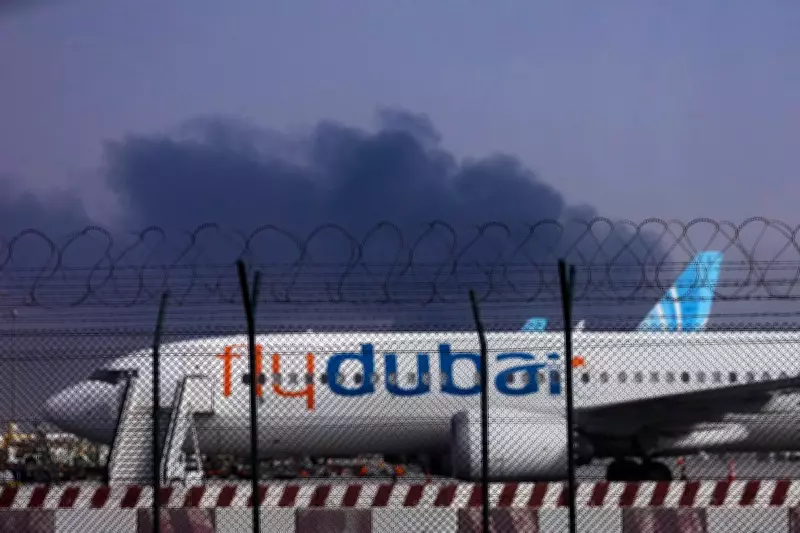
Iran Conflict Triggers Widespread Flight Cancellations and Travel Chaos
The raging conflict in Iran is causing massive disruption to global air travel, with many passengers unable to reach key Middle Eastern destinations such as Dubai, Doha, and Abu Dhabi. British travellers have been left stranded in places like Dubai due to Foreign Office no-go warnings, exacerbating the crisis.
Economic and Operational Strains on Airlines
Jet fuel prices have doubled since the conflict began, placing intense pressure on carriers already grappling with restricted airspace. Pilots are being forced to reroute flights to bypass the volatile Middle East, leading to increased costs and logistical challenges. Airlines are scrambling to adjust schedules and manage surging demand on alternative routes.
Comprehensive List of Airline Cancellations
Below is an alphabetical overview of airlines that have cancelled flights to the region, detailing the extent of the disruptions:


- Aegean Airlines: Cancelled flights to Tel Aviv, Beirut, and Amman until April 22, and to Erbil and Baghdad until May 24. Dubai flights are cancelled until April 19, and Riyadh until April 18.
- airBaltic: All flights to Tel Aviv cancelled until April 29, and to Dubai until October 24.
- Air Canada: All flights to Tel Aviv cancelled until May 2, and to Dubai until April 30.
- Air Europa: All flights to Tel Aviv cancelled until April 10.
- Air France: Tel Aviv and Beirut flights cancelled until April 4, and Dubai and Riyadh flights until March 31, including an April 1 departure from Dubai.
- British Airways: Extended cancellations to Amman, Bahrain, Dubai, and Tel Aviv until May 31, and to Doha until April 30. Flights to Abu Dhabi remain suspended until later this year, with added services to Bangkok and Singapore.
- Cathay Pacific: All passenger flights to Dubai and Riyadh cancelled until May 31. Additional flights to Paris, Zurich, and London have been added to meet European demand.
- Delta: New York-Tel Aviv flights cancelled, and Atlanta-Tel Aviv route delayed until September 5. The Boston-Tel Aviv launch has been postponed indefinitely.
- EL AL Israel Airlines: Flights departing Israel through April 4 cancelled, with limited operations to key destinations.
- Emirates: Operating a reduced schedule after partial airspace reopening.
- Ethiad Airways: Resumed limited commercial flights from Abu Dhabi to around 80 destinations.
- Finnair: Dubai flights cancelled until March 29, and Doha until July 2, avoiding airspace over Iraq, Iran, Syria, and Israel.
- Flynas: Suspended flights to Dubai, Abu Dhabi, Sharjah, Doha, Bahrain, Kuwait, Iraq, and Syria until March 31.
- Indigo: Operations to Doha, Kuwait, Bahrain, Dammam, Fujairah, Ras Al Khaimah, and Sharjah suspended until March 28.
- ITA Airways: Tel Aviv flights suspended until April 2, and Dubai cancellations extended until March 29, avoiding conflict zone airspace.
- Japan Airlines: Tokyo-Doha flights suspended until April 10, and Doha-Tokyo until April 11.
- KLM: Flights to Tel Aviv, Riyadh, Dammam, and Dubai suspended until May 17.
- LOT: Dubai flights cancelled until March 28, Tel Aviv until May 31, Riyadh until April 30, and Beirut from March 31 to April 30.
- Lufthansa Group: Lufthansa, Swiss, Austrian Airlines, Brussels Airlines, ITA Airways, and Edelweiss have suspended flights to Dubai and Tel Aviv until May 31, and to Abu Dhabi, Amman, Beirut, Dammam, Riyadh, Erbil, Muscat, and Tehran until October 24. Eurowings has similar suspensions.
- Malaysia Airlines: All flights to Doha suspended until April 15.
- Norwegian Air: Tel Aviv and Beirut service launches delayed to June 15, and Dubai flights cancelled through April 8.
- Pegasus: Flights to Iran, Iraq, Amman, Beirut, Kuwait, Bahrain, Doha, Dammam, Dubai, Abu Dhabi, and Sharjah cancelled until April 13, with Riyadh until April 1.
- Singapore Airlines: Singapore-Dubai flights suspended until April 30, with added services to London Gatwick and Melbourne.
- Qantas: Increased flights to Rome and Paris, and boosted Perth-Singapore services to meet European demand.
- Qatar Airways: Operating a revised limited schedule until March 28.
- Turkish Airlines: Most Middle East flights cancelled until end of March, with SunExpress cancelling Dubai flights until April 6 and Bahrain until April 30.
- Wizz Air: Flights to Israel suspended until March 29, and to Dubai, Abu Dhabi, Amman, and Jeddah from Europe until mid-September.
Broader Impact on Travel and Tourism
The disruptions have led to significant travel chaos, with airports worldwide reporting delays and cancellations. Passengers are advised to check with airlines for updates and consider alternative routes. The situation remains fluid, with airlines continuously reassessing safety and operational viability in the region.





