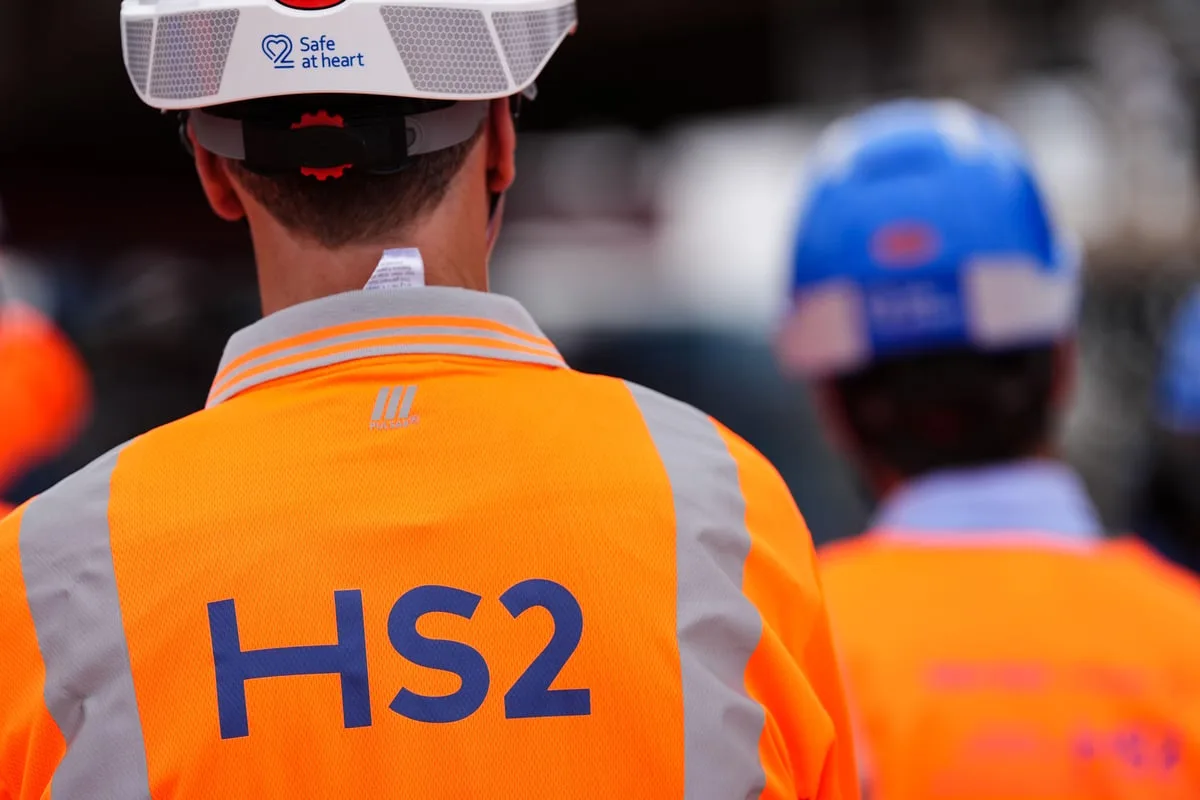
HS2 Speed Slashed Below Developing Nations' Trains in Cost-Cutting Review
HS2 Speed Cut Below India, Morocco Trains in Cost Review

In a dramatic cost-cutting move, the UK's flagship HS2 high-speed rail project could see its top speed reduced to levels slower than comparable trains operating in developing nations like India, Morocco and Indonesia. Transport Secretary Heidi Alexander has today ordered HS2 executives to review slashing the maximum speed from the planned 360 kilometres per hour (224mph) down to as little as 300kph (186mph).

Britain Risks Falling Into the 'Slow Lane'

The proposed reduction has immediately sparked controversy, placing the Labour government on a collision course with union leaders who warn it would leave Britain "in the slow lane" of global rail infrastructure. This review represents the latest attempt to extract billions more in savings from the severely over-budget, delayed and curtailed project, which has already consumed over £40 billion since 2019.

International Comparisons Highlight UK Lag

By comparison, high-speed rail networks in China and Indonesia operate at up to 350kph, while Japan, Morocco and India run services at 320kph. Conventional trains in the UK currently reach maximum speeds of 200kph. The international definition of high-speed rail begins at 250kph, meaning even the reduced HS2 specifications would technically qualify, but at the lower end of the spectrum.

Wide Pickt banner — collaborative shopping lists app for Telegram, phone mockup with grocery list

Secretary Alexander has directed HS2 management to examine potential savings from reducing top speeds to either 320kph or 300kph, with a final decision expected later this year. The originally envisioned 360kph would have positioned HS2 as potentially the fastest railway in the world, but no existing UK or global track is currently engineered for such velocities.

Practical Implications and Testing Alternatives

Building a bespoke test track for 360kph operations would have delayed completion by several additional years and incurred billions in extra costs. However, the existing HS1 line between London and Kent, used by Eurostar services, is engineered for speeds up to 300kph. This means HS2 trains could potentially be tested on HS1 if their maximum speed is lowered to this threshold.

Rail insiders suggest the speed reduction would only extend the projected London to Birmingham journey time of 41 minutes by approximately three to five minutes, as trains were rarely intended to operate at the full 360kph capacity. The current fastest route with Avanti West Coast takes around 75 minutes.

A Project Mired in Controversy and Escalating Costs

The beleaguered HS2 project has become a symbol of infrastructure ambition colliding with fiscal reality. Initially announced by the Labour government in 2009 with a price tag of £37.5 billion for a route connecting London with Leeds and Manchester via Birmingham, the project has undergone severe contraction.

Both northern legs were axed by previous Conservative governments amid spiralling costs and delays. Now only Phase One, linking London and Birmingham, will proceed, with projected costs exceeding £80 billion and potentially reaching £100 billion.

Leadership and Expenditure Under Scrutiny

The project's financial management continues to face intense scrutiny. HS2's public relations department still employs nearly 100 staff at an annual cost of up to £14 million, which critics cite as evidence of ongoing spending control challenges. Meanwhile, CEO Mark Wild, who assumed leadership in December 2024, is in line for a total compensation package reaching £940,000 this financial year—substantially more than the £676,763 received by his predecessor Mark Thurston.

HS2 executives have repeatedly returned to Treasury officials requesting additional funding, with another £7 billion expected to be allocated from April 2026 to sustain construction work. The project remains only half complete despite the enormous expenditure already incurred.

Political and Community Backlash

Tory MP Greg Smith, representing Mid Buckinghamshire where constituents have endured years of HS2 construction disruption, condemned the project as "a vanity project that won't deliver anything useful for anyone." Meanwhile, TSSA rail union leader Maryam Eslamdoust urged ministers to seek solutions ensuring HS2 operates at full speed from its inaugural day, warning that "anything else will leave Britain in the slow lane."

Pickt after-article banner — collaborative shopping lists app with family illustration

A government source close to the speed review acknowledged HS2 was "originally conceived as a gold-plated project" during the Cameron-Osborne era, designed to be "the fastest trains pretty much anywhere in the world." The current administration now faces the challenge of "pulling HS2 out of the dirt" while attempting to recover taxpayer funds and accelerate delivery of what remains of this contentious infrastructure endeavour.




