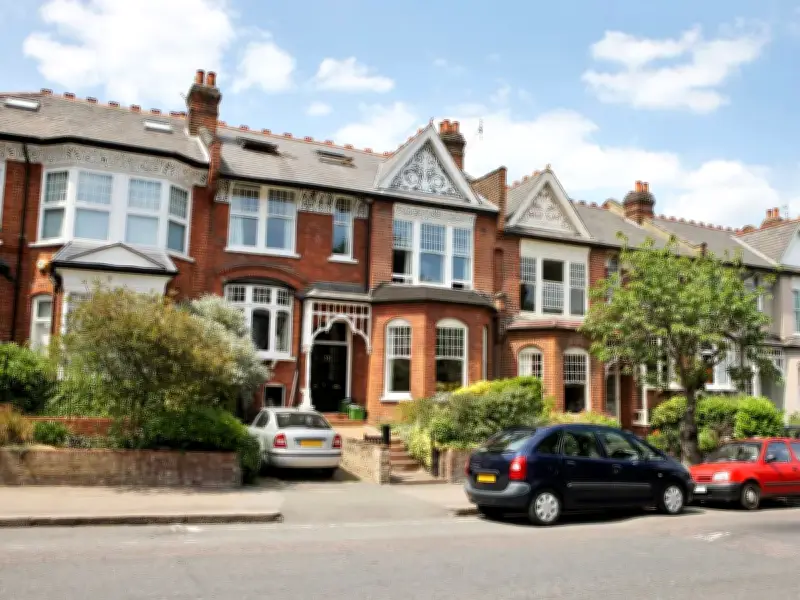
Drivers in Scotland face a £100 penalty for parking at dropped kerbs under Highway Code Rule 243, but not every lowered kerb is covered by the same prohibition. The rule, updated in April 2025, clarifies the Scottish position on parking where the kerb has been lowered to help pedestrians or cyclists cross the road.
What the rule covers
Rule 243 states that drivers in Scotland must not double park or park where the kerb has been lowered to assist pedestrians or cyclists, with limited exceptions. However, under Scotland's parking legislation, the ban applies only to lowered sections provided to help pedestrians or cyclists cross the road.
A lowered kerb that provides access to a residential driveway or garage is treated differently. Guidance published by the Scottish Government confirms that the prohibition does not apply where the dropped kerb is there for access to a driveway or garage.

Driveway access and penalties
This distinction matters for people parking outside their own homes or visiting another property. Drivers should still avoid blocking a driveway entrance, as doing so can prevent residents from getting vehicles in or out and may breach other parking restrictions.
The rules form part of Scotland's wider crackdown on pavement parking, double parking and parking at dropped kerbs. Transport Scotland says the measures were introduced to make roads and pavements safer and more accessible, with councils able to enforce the restrictions.
For motorists who breach the relevant Scottish parking prohibitions, the standard penalty charge is £100, reduced to £50 when paid within 14 days. MyGov.scot lists parking on the pavement, in front of a dropped kerb and double parking among circumstances where a council can issue a penalty charge notice.
Other parking restrictions
The Highway Code also warns drivers against parking in front of a property entrance, near school entrances, where emergency services would be prevented from accessing an area, or opposite or within 10 metres of a junction except in an authorised parking space.
The safest approach is not simply to look for yellow lines before leaving a car. Drivers should consider what the lowered kerb is designed for, keep access points clear and check local restrictions before parking. The rules are designed to ensure people using wheelchairs, mobility aids, prams and other forms of assistance can use roads and pavements without having to move around obstructing vehicles.