

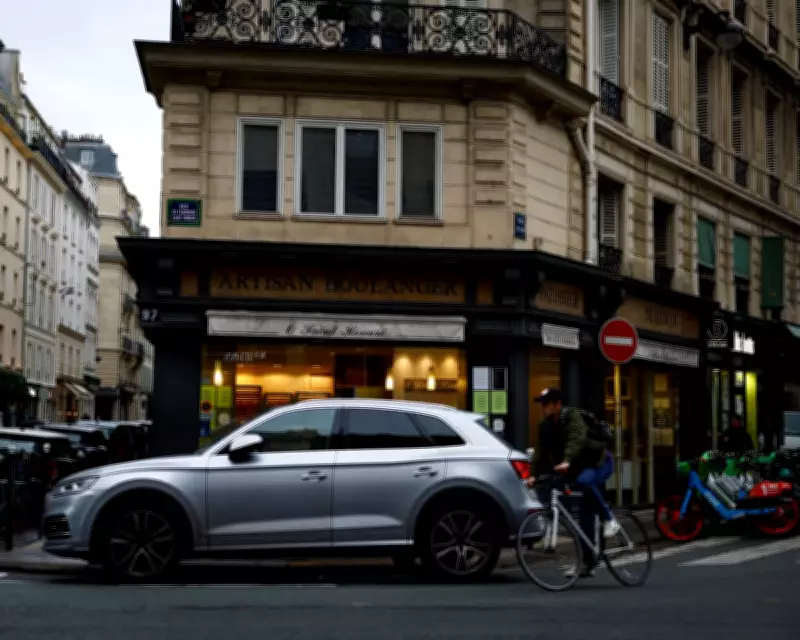
The debate over heavy sports utility vehicles (SUVs) is intensifying, with critics highlighting significant safety and environmental concerns. These large vehicles, increasingly popular in urban areas, are drawing scrutiny for their potential dangers to vulnerable road users and their contribution to pollution.
Safety Risks for Pedestrians and Cyclists
One of the primary issues raised is the heightened risk SUVs pose to pedestrians and cyclists. Due to their higher front ends and greater weight, SUVs are more likely to cause severe injuries in collisions compared to smaller cars. Studies indicate that accidents involving SUVs result in a higher fatality rate for those outside the vehicle, sparking calls for improved safety standards.
Environmental Impact and Emissions
Beyond safety, SUVs are criticized for their environmental footprint. Their larger engines and heavier frames lead to higher fuel consumption and increased carbon emissions. This contributes to air pollution and climate change, prompting environmental groups to advocate for measures to curb their use, especially in densely populated cities.

Calls for Regulatory Action
In response to these concerns, there are growing demands for stricter regulations. Proposals include higher taxes on SUV purchases, weight-based charges for road use, and mandates for manufacturers to enhance safety features. Some cities are even considering bans on the heaviest models in certain zones to protect public health and safety.
Industry and Consumer Response
The automotive industry has defended SUVs, citing consumer demand for spacious and versatile vehicles. However, there is a shift towards developing more efficient and safer models, including electric SUVs. Consumers are urged to consider alternatives, such as smaller cars or public transport, to mitigate the negative impacts associated with these vehicles.
As the debate continues, policymakers are weighing the need for balanced solutions that address safety and environmental issues without stifling innovation or consumer choice. The outcome could shape future urban mobility and regulatory frameworks worldwide.






