
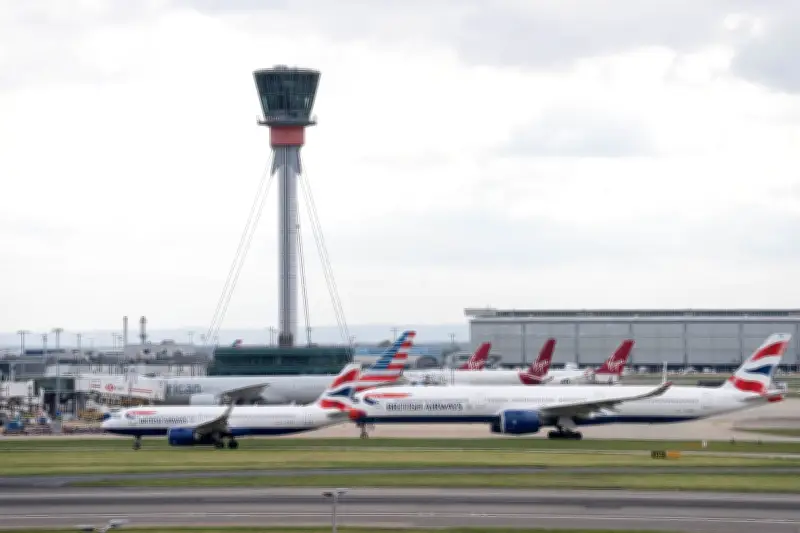
Heathrow reported a decline in passenger numbers last month, even as it recorded its busiest day ever in May, amid the ongoing impact of the Iran war on international travel. The west London airport stated that 7.1 million passengers traveled through its four terminals in May, a 1.2% decrease compared to the same period last year.
Regional Impact and Trends
UK passenger numbers fell by 1.9%, while traffic from the Middle East plummeted by 31%, as the Iran war continues to disrupt the global travel sector. Despite the overall decline, Heathrow noted an improvement from April's 5.3% drop, which the airport attributed to short-term disruption caused by the conflict.
Record Day in May
The airport achieved its busiest day for the month of May on May 22, with 262,000 passengers recorded at the start of the school half-term holidays. This milestone comes as Heathrow celebrated its 80th birthday last month.
Investment and Regulatory Disputes
Heathrow has pressed ahead with investment plans, including upgrades to terminal four car parks and check-in facilities. However, the airport criticized the Civil Aviation Authority (CAA), claiming the regulator's proposed cuts to investment plans risk weakening the UK's competitiveness. Thomas Woldbye, chief executive of Heathrow, stated: "Heathrow has kept Britain connected for 80 years – but today we’re operating at capacity. Demand for travel and trade is strong, but both short and long-term growth of the UK’s only hub airport is at risk if the CAA delay necessary investment."
CAA Proposals
In March, the CAA proposed increasing the per passenger charge that Heathrow can levy on airlines by 1% over the next five years. The regulator is consulting on capping the average charge for 2027 to 2031 between £27.20 and £30.50, which is 16% below Heathrow's recommendation and 25% above the amount suggested by airlines. The CAA also determines the airport's investment levels and operational spending.
Third Runway Plans
Heathrow aims to secure planning permission by 2029 for a third runway. The cost of expansion will be addressed through a separate CAA process.




