

Australians Shift to Greener Transport Amid Soaring Fuel Costs
Australian motorists are significantly altering their travel habits in response to escalating fuel prices. According to a national survey of 1,800 NRMA members, more than half have reduced their driving over the past month. This trend is prompting a notable shift towards alternative modes of transport, including cycling, increased use of public transport, and remote working arrangements.
Embracing Alternatives to Reduce Costs and Emissions
For those able to make changes, swapping cars for bicycles, opting for trams to local shops, or working from home are becoming popular strategies. These adjustments not only help mitigate fuel expenses but also contribute to environmental sustainability without the need for purchasing electric vehicles. Transport currently ranks as Australia's third-largest source of climate pollution, with government projections indicating it could become the primary emitter by 2030. Each litre of petrol burned releases approximately 2.3 kilograms of carbon dioxide into the atmosphere, equivalent to the weight of a standard house brick.
Understanding Travel Patterns and Alternatives
Dr Liam Davies, an associate director at the Institute for Sensible Transport, notes that in major Australian cities, car travel still dominates the majority of trips. However, access to alternatives like public transport or bike trails varies significantly based on location, with outer suburbs and regional areas often lacking adequate infrastructure compared to inner-city zones. Studies in Sydney and Melbourne reveal that trips are primarily for work (20%), transporting others such as children (21%), social or recreational activities (19%), and shopping (19%).

For individuals considering leaving their cars at home, the distance of travel often determines the most suitable alternative. "Most people find a comfortable walking distance to be around one kilometre, while a bike ride is manageable up to four kilometres. Beyond these thresholds, public transport or motor vehicles become more practical options," explains Davies.
Benefits of Public Transport Adoption
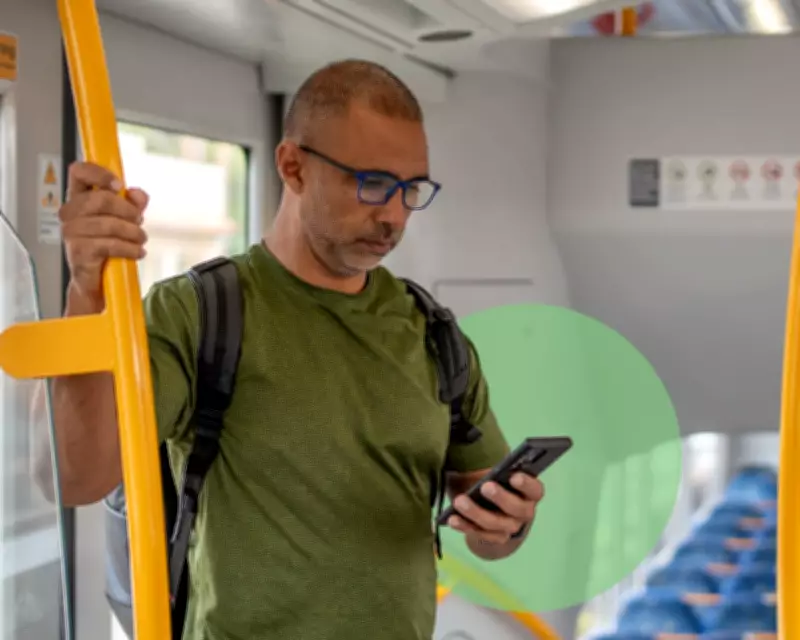
Daniel Bowen, a campaigner with the Public Transport Users Association, highlights that increased usage of buses, trains, or trams yields broad societal advantages. "Reducing the number of cars on roads leads to decreased pollution and less traffic congestion. This benefits not only public transport users but also those who must drive, as it creates smoother travel conditions," he states. While acknowledging that public transport systems are not flawless, Bowen emphasises their efficiency and time-saving potential for eligible commuters. Tools like Google Maps can assist in planning routes and estimating journey durations.
Moreover, public transport allows passengers to utilise travel time productively for activities such as reading, communicating with friends, or handling emails—tasks that are unsafe or impractical while driving. From an environmental perspective, transitioning away from petrol or diesel vehicles, which emit 150 to 300 grams of CO2 per kilometre, to public options can drastically cut emissions. Electric trams, trains, and buses produce zero emissions, and even diesel buses have lower per-person emissions than cars. Walking and cycling are essentially carbon-free alternatives.
Health and Environmental Advantages
Reducing car usage also delivers significant health and environmental benefits. Motor vehicles generate particulate pollution that can exacerbate respiratory issues like asthma and contribute to urban noise pollution, which stresses humans and disrupts wildlife. In contrast, active transport modes like cycling promote physical well-being by releasing endorphins and improving fitness levels.

Cycling Gains Momentum Amid Economic Pressures
The not-for-profit Bicycle Network has observed a surge in interest as fuel prices rise and living costs increase due to interest rate hikes. Alison McCormack, the network's chief executive, points out that while most Australians own a bike and about two-thirds express a desire to cycle more frequently, safety concerns often deter them. She encourages beginners to start by ensuring their bicycles are roadworthy, following the "ABCD" checklist: checking air in tyres, functional brakes, and an oiled chain, along with a "little drop test" to identify any rattles.
McCormack advises starting with short trips, such as cycling around the block or to local shops, and gradually expanding usage. "Once you master that, the whole world opens up," she remarks. Local bike shops and community groups can provide guidance on safe routes, and workplaces can support cyclists by offering facilities like bike storage, showers, and lockers. For longer distances, electric bikes (ebikes) present a viable option, potentially enabling families to eliminate the need for a second car.
Christina Sorbello, Asia Pacific regional manager for Love to Ride, adds that cycling offers a unique perspective on neighbourhoods and can be a simpler alternative to driving in many scenarios. "The world is different when you view it from the seat of a bike," she notes, underscoring the social and recreational benefits of this mode of transport.
Conclusion
As fuel prices continue to climb, Australians are increasingly adopting greener transport methods, driven by both economic and environmental motivations. This shift not only alleviates financial burdens but also fosters healthier lifestyles and contributes to national emission reduction goals. By integrating cycling, public transport, and remote work into daily routines, individuals can play a pivotal role in creating a more sustainable future.





