The UK government has confirmed that a support package would be made available for households if Freeview is switched off, as a consultation on the future of terrestrial television continues. The proposal, which could see Freeview axed as early as 2034, has raised concerns among MPs and rural communities, with a petition gathering over 150,000 signatures.
Government Response to Concerns
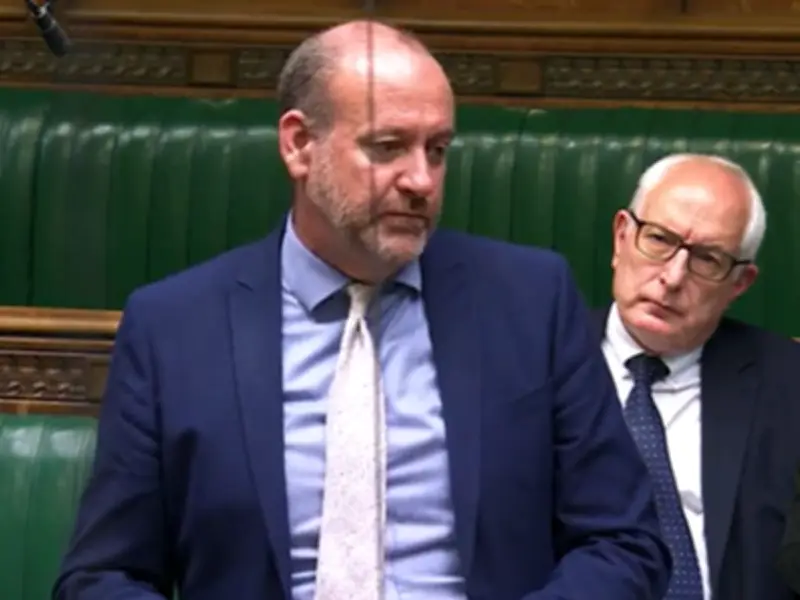
In a recent parliamentary exchange, Labour MP Perran Moon asked Culture Secretary Lisa Nandy about ensuring universal and free-to-air television access after 2034. Minister of State for Media, Tourism and Creative Industries Ian Murray responded that the government expects an audience support package to help people transition from Digital Terrestrial Television to internet-based TV smoothly and confidently. He stated: “The Government is clear that no one should be left behind as television watching increasingly moves online. A core objective of the DCMS’s future of TV distribution work is to ensure that any transition is inclusive, and supports both the continued sustainability of the UK’s media ecosystem and the Government’s wider ambitions for digital inclusion.”
Murray also confirmed that a consultation, launched via the Green Paper ‘Watch this Space’ on 23 June, is open until August 31. A final decision on TV distribution after 2034 will be informed by this consultation.
Impact on Households
Freeview currently serves 13.6 million UK homes, making it the primary television platform for 40% of households with a TV set. The service relies on traditional aerials, and its potential switch-off would require households to have high-speed broadband to access channels, potentially costing hundreds of pounds per year. The Countryside Alliance warned: “For many people living in rural communities, television is more than just entertainment: it is a vital lifeline for news, information, and connection - particularly for older residents or those who may feel isolated.” They noted that nearly seven in 10 citizens are unaware of the decision, according to a survey reported by the Big Issue.
Broadcaster and Taskforce Stance
Public broadcasters like the BBC argue that running dual transmission systems (terrestrial and online) is increasingly expensive, and switching off Freeview would save millions in distribution costs. The Future TV Taskforce, comprising public service broadcasters and Everyone TV, supports a carefully planned transition. A representative stated: “The Taskforce supports a carefully planned, managed transition from digital terrestrial television (DTT) to internet-delivered TV and a potential switch-off in the mid-2030s, as part of a broader, UK-wide digital inclusion and transition plan. Done well, this approach can protect universal access to public service broadcasting; support innovation and investment across the TV sector; and deliver long-term benefits for viewers and the UK economy.”
Connectivity Challenges
While 94% of UK households have internet connectivity, hundreds of thousands of vulnerable homes could be left without TV access if the switch-off proceeds without adequate support. MPs have highlighted that Freeview serves 16 million homes (a figure that includes second homes and other devices), and the licences underpinning terrestrial broadcasting expire in 2034. Without a government commitment to extend them, television could become accessible only via online connections. The Countryside Alliance survey and the Change.org petition remain open for public responses.