

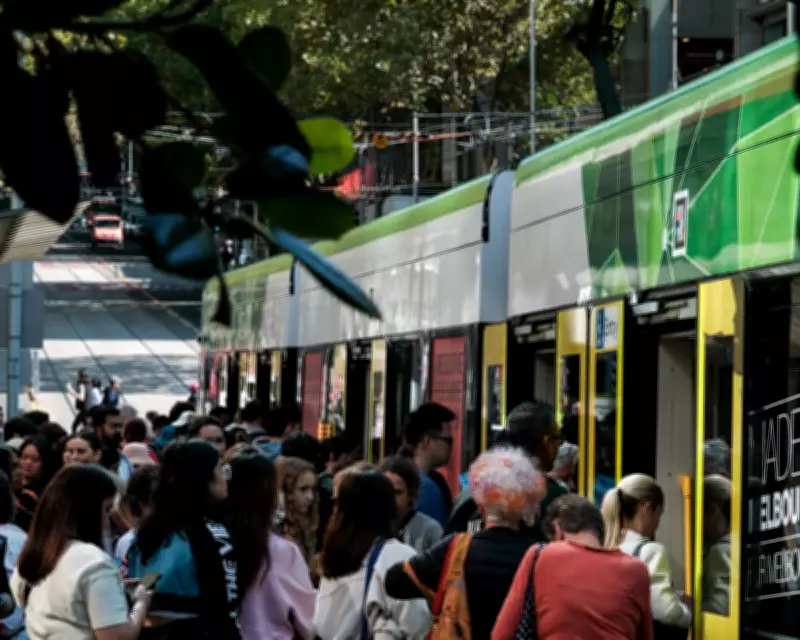
Free Public Transport Trials Launched in Australia to Tackle Fuel Price Surge
In a bold move to alleviate the financial strain on households, the Victorian government has announced that public transport will be free until the end of April. This initiative comes as a direct response to the escalating petrol prices that have burdened Australians nationwide. Similarly, Tasmania has implemented free travel on buses and Derwent River ferries until 1 July, aiming to reduce reliance on private vehicles and ease demand for fuel.
Government Measures to Combat Fuel Costs
Governments across Australia are exploring various strategies to help citizens cope with the soaring cost of fuel. Recent actions include encouraging public servants to work from home more frequently and a federal announcement to halve the fuel tax for three months. The free public transport trials in Victoria and Tasmania represent another layer of intervention, designed to provide immediate relief and promote alternative modes of transportation.
Expert Insights on the Policy's Pros and Cons
Transport experts have weighed in on the effectiveness of temporary free public transport as a policy tool. Professor Graham Currie from Monash University, a renowned authority in the field, supports the measure, noting its quick implementation and potential to make a tangible difference in people's lives. He highlights that with unleaded petrol prices jumping by approximately $1 a litre since February, free transport can offer crucial support to struggling households.

Professor Mark Hickman from the University of Queensland acknowledges that free public transport is one of the better options available in a limited pool. However, he cautions that many car users are not highly sensitive to fuel price changes and may not switch to public transport frequently. This raises questions about the policy's ability to significantly reduce petrol consumption.
Equity Concerns and Beneficiary Analysis
Both professors agree on a major drawback: the primary beneficiaries of free public transport tend to be higher-income households in inner-city areas, such as Toorak in Melbourne, which already have excellent transport access. Currie points out that only about half of urban Australians have access to quality public transport, leaving those in outer suburbs, regional towns, and rural areas without relief. This disparity highlights potential inequities in the policy's reach.
Hickman's research on Queensland's 50c fare policy reveals that while cheaper fares increase public transport usage, most of the growth comes from people who previously walked, cycled, or did not travel at all, rather than from car users switching modes. This suggests that free transport may not drastically cut petrol demand as intended.
Cost Implications and Alternative Uses of Funds
The financial aspect of these trials is significant. In New South Wales, estimates suggest a similar free transport scheme would cost $140 million monthly in lost Opal revenue, double the expected cost in Victoria. Currie questions whether the $71 million allocated in Victoria could be better spent on long-term improvements, such as expanding services to underserved areas or electrifying bus fleets with renewable energy.
Hickman also notes a potential conflict with federal fuel subsidies, suggesting that state and federal policies might work at cross purposes. He advocates for a more coordinated approach to effectively address the fuel crisis.
Conclusion and Future Outlook
While free public transport offers a quick fix to help Australians navigate rising petrol prices, its effectiveness in reducing fuel demand and benefiting a broad demographic remains debated. The trials in Victoria and Tasmania will provide valuable data on public response and usage patterns. As governments continue to seek solutions, balancing immediate relief with sustainable, equitable transport policies will be crucial for long-term success in mitigating the impacts of the fuel crisis.






