

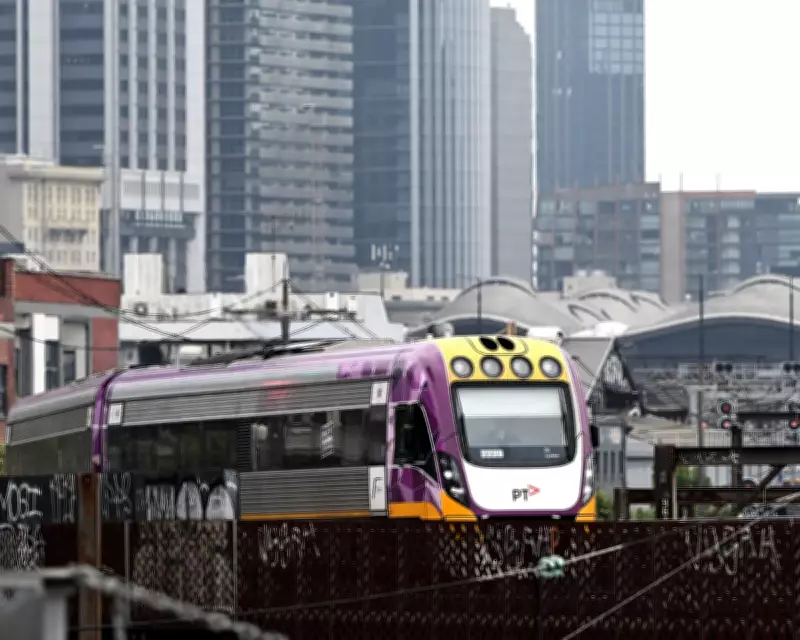
Free Public Transport Rolled Out in Victoria and Tasmania to Combat Fuel Crisis
The Allan government in Victoria has declared that all metro and regional V/Line trams, trains, and buses will be free of charge from 31 March until the end of April 2026. This initiative, announced on Sunday, aims to alleviate the financial strain on households as petrol prices surge due to energy shocks from the Middle East conflict. In a parallel move, the Tasmanian premier, Jeremy Rockliff, revealed that buses and Derwent River ferries will be free across the state from 30 March until 1 July.
Cost and Implementation Details
The Victorian government estimates that the free fares will cost approximately $71 million in forgone revenue. During this period, all Myki gates will remain open, and passengers will not need to touch on their cards. Any accidental charges will be refunded, and Myki passes, including yearly subscriptions, will be automatically paused and resumed after April. For V/Line coaches outside the Myki network, travellers must book a free ticket to secure a seat, though no ticket is required for trains in those areas.
Public transport minister Gabrielle Williams stated that while patronage is expected to increase, the expanded network and additional services can handle the demand. Premier Jacinta Allan emphasised that this temporary measure is designed to help Victorians save money and reduce pressure at the pump, as part of broader efforts to address cost-of-living challenges.

Divergent Approaches in Other States
In contrast, the New South Wales and Western Australian governments have opted not to implement free public transport. NSW transport minister John Graham explained that the crisis is likely to extend beyond a month, and the government needs to conserve resources to support the broader economy. He noted that daily fare revenue, amounting to millions of dollars, will continue to be reinvested into improving public transport reliability.
Similarly, WA premier Roger Cook dismissed the idea, citing that fares are already at historically low levels, comparable to prices from decades ago. He argued that this makes additional measures unnecessary during the current fuel shortages.
Broader Context and Impact
The energy shock from the Middle East conflict has led to significant increases in petrol and diesel prices across Australia, with weekly fuel bills rising by $20 or more for the average household since late February. Despite this, Guardian Australia analysis indicates that Australians have not yet reduced driving or increased public transport usage significantly.
At the federal level, ACT senator David Pocock and the Greens have advocated for nationwide free public transport during the crisis. However, the response remains fragmented, with states taking independent actions based on local priorities and financial considerations.
This move highlights the growing urgency to address fuel affordability and promote sustainable transport options, as communities grapple with the economic fallout from global conflicts.






