

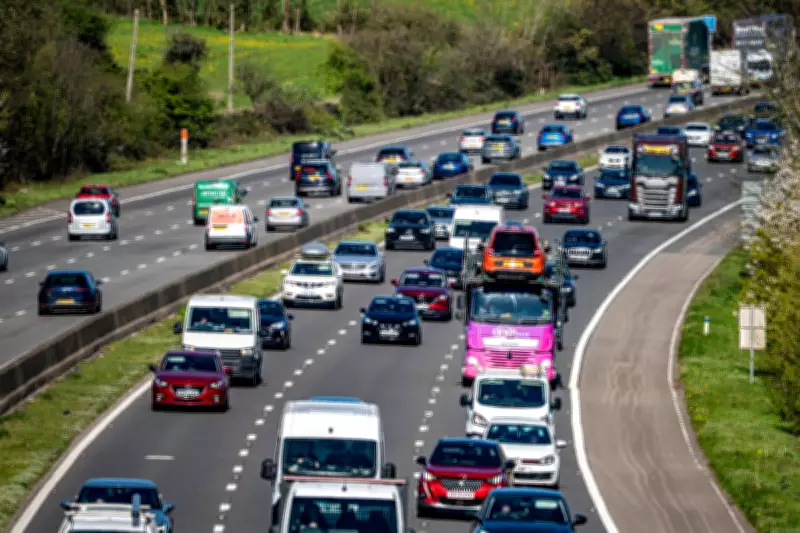
As oil prices continue to soar, drivers across the United Kingdom are facing escalating fuel costs, particularly during peak travel periods like the Easter weekend getaway. With no immediate relief in sight, mastering techniques to optimise fuel economy has become an urgent priority for motorists seeking to manage their budgets effectively. This comprehensive guide outlines five essential strategies to enhance your vehicle's efficiency, making car ownership more affordable and environmentally friendly.
Regular Vehicle Servicing
A thorough and regular major service is fundamental to maintaining your car's peak performance and fuel efficiency. Key maintenance tasks, such as changing the oil and filter, replacing spark plugs, installing a fresh pollen filter, and renewing brake fluid, not only extend the vehicle's lifespan but also ensure cleaner and smoother operation. For those not inclined towards DIY approaches, engaging a reputable garage for professional servicing can yield significant benefits. A well-maintained car operates more reliably, experiences fewer breakdowns, and consumes fuel more efficiently, translating into long-term savings.
Minimise Air Conditioning Usage
Utilising a car's air conditioning system can substantially increase fuel consumption by placing additional strain on the engine. To conserve fuel, reserve air conditioning use for exceptionally hot conditions where comfort is paramount. Many modern vehicles feature energy-efficient settings, such as a 'driver only' mode, which reduces the system's power draw and minimises impact on fuel economy. By limiting air conditioning to necessary situations, drivers can achieve noticeable improvements in their vehicle's efficiency.

Maintain Correct Tyre Pressure
Ensuring all tyres are inflated to the manufacturer's recommended PSI (pounds per square inch) is critical for both safety and fuel economy. Under-inflated tyres increase rolling resistance, forcing the engine to work harder and consume more fuel to maintain speed. Drivers can typically find the correct PSI specifications in the vehicle's owner's manual, on the fuel filler door, or inside the front door frames. Most petrol stations provide accessible air machines, making it convenient to regularly check and adjust tyre pressure, thereby optimising fuel efficiency and enhancing road safety.
Avoid Open Windows and Sunroofs
Driving with windows or a sunroof open creates aerodynamic drag, which compels the engine to exert more effort to achieve and sustain speed, consequently reducing fuel economy. During warmer weather, it is advisable to keep windows closed and utilise the car's built-in fan system for ventilation. This simple adjustment can lead to measurable fuel savings by minimising drag and allowing the vehicle to operate more smoothly and efficiently on the road.
Utilise Start-Stop Functions and Reduce Weight
Modern vehicles often come equipped with fuel-saving start-stop technology, which automatically cuts the engine when the car is stationary, such as at traffic lights. Activating this function prevents unnecessary fuel consumption from idling, benefiting both your wallet and the environment. Additionally, removing excess weight from the car, including items from the boot, glovebox, and door bins, can significantly improve fuel efficiency. For frequent travellers, detaching roof boxes and bars when not in use reduces drag, while motorists who drive infrequently might consider maintaining only half a tank of fuel to lighten the vehicle further. These practices collectively enhance fuel economy by reducing the engine's workload.






