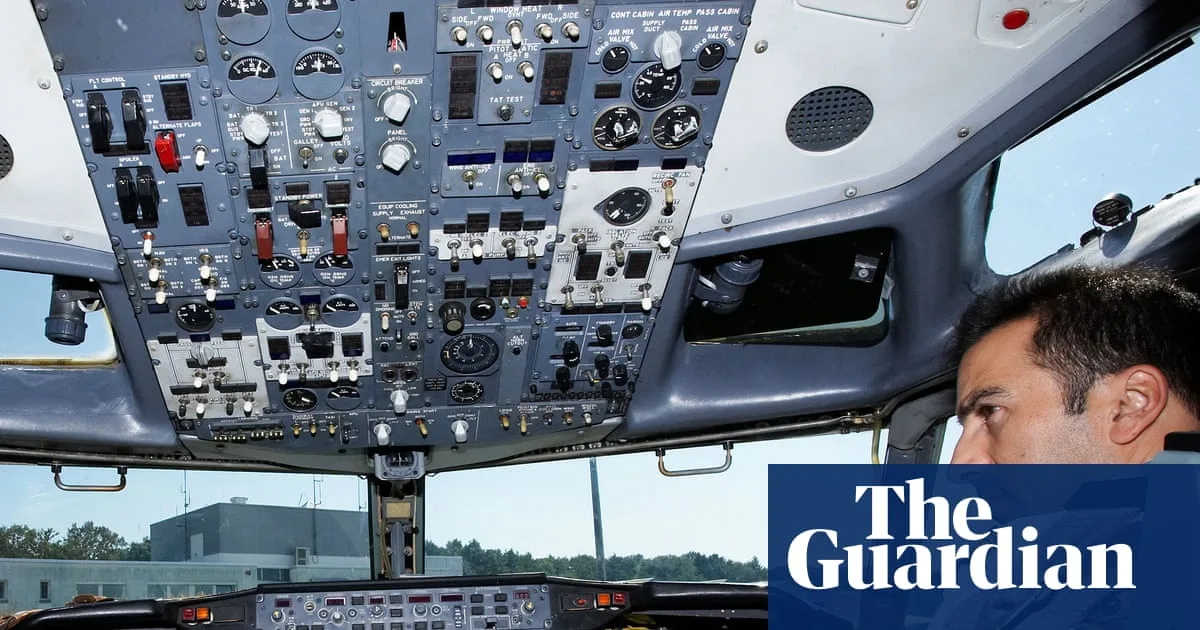
A major study by Ghent University has warned that cost-cutting and profit-chasing at European airlines have 'systematically weakened' safety, with pilots and cabin crew feeling increasingly pressured to work long hours and hide signs of tiredness.
The research, which surveyed 6,900 workers, found that many exhausted employees feel too intimidated to challenge management decisions. More than half of respondents said they did not feel able to 'modify instructions' from management based on safety objections, a deterioration from 2014 when 82% of pilots felt able to do so.
About 30% of pilots said they were sometimes reluctant to take safety decisions for fear of negative career consequences. The study also highlighted concerns among cabin crew who reported being pushed into making onboard sales of perfumes and alcohol, creating a conflict with their safety role.
Fatigue is a persistent problem, with nearly one in three pilots and almost half of cabin crew admitting they sometimes hesitate to declare themselves unfit to fly. The report found that 42% of all crew say management prioritises scheduling over safety.
The study noted that the Covid pandemic accelerated a decline in working conditions, with a generation of senior pilots replaced by younger, cheaper workers more likely to accept precarious contracts. Atypical employment, such as short-term or self-employed contracts, was linked to worse conditions and lower wellbeing.
Researchers described a 'Swiss cheese model' where safety layers are 'systematically weakened for financial reasons, leaving the final barrier to accidents dependent on chance and luck rather than robust protection.'