

EU to Unveil Plan to Address Jet Fuel Shortages as Iran War Crisis Deepens
The European Union is preparing to urge member states to decrease their reliance on Middle Eastern jet fuel and consider boosting imports from the United States. This strategic move is a direct response to a fuel crisis that has been significantly exacerbated by the ongoing conflict in Iran, which now threatens to disrupt the upcoming summer travel season across Europe.
Immediate Impact on European Airlines
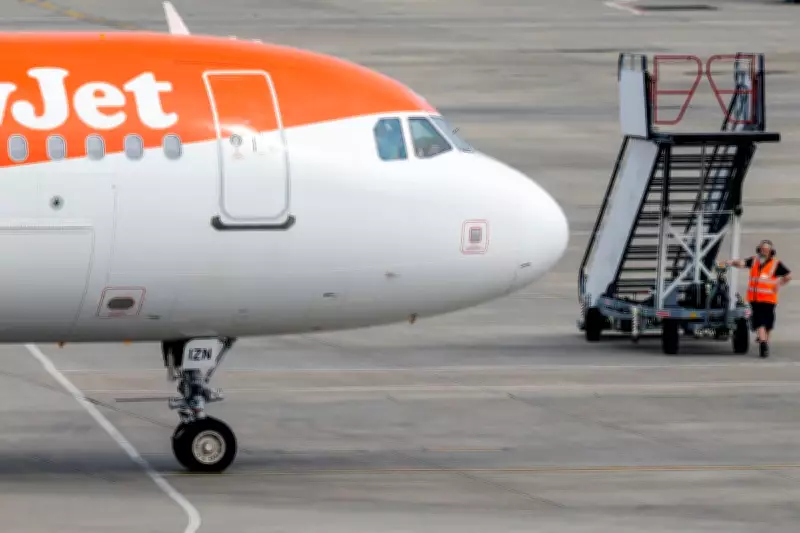
European airlines have already begun grounding aircraft in anticipation of impending jet fuel shortages, with flight cancellations expected to ramp up substantially by the end of May. The situation is particularly critical as Europe imports between 30% and 40% of its jet fuel, with at least half of that supply traditionally sourced from the Middle East. This heavy dependency leaves the continent highly vulnerable to geopolitical disruptions like the Iran war.
Forthcoming Recommendations and Long-Term Solutions
The EU's forthcoming non-binding recommendations will prioritise self-sufficiency and resilience in the aviation sector. Key proposals include:

- Advocating for a shift towards Sustainable Aviation Fuel or synthetic alternatives to reduce fossil fuel dependence.
- Offering detailed guidance on managing potential shortages and ensuring supply chain stability.
- Encouraging member states to diversify import sources, with a particular focus on increasing supplies from the U.S.
These measures aim to mitigate the immediate crisis while building a more robust framework for future energy security in European aviation.
Broader Implications for Travel and Economy
The jet fuel shortages triggered by the Iran war are likely to push flight prices even higher, compounding existing inflationary pressures. Travel expert Simon Calder has warned that consumers could face significant disruptions and increased costs during the peak summer travel period. The EU's proactive stance seeks to address these challenges head-on, balancing short-term crisis management with long-term strategic planning to safeguard Europe's travel industry and economic stability.






