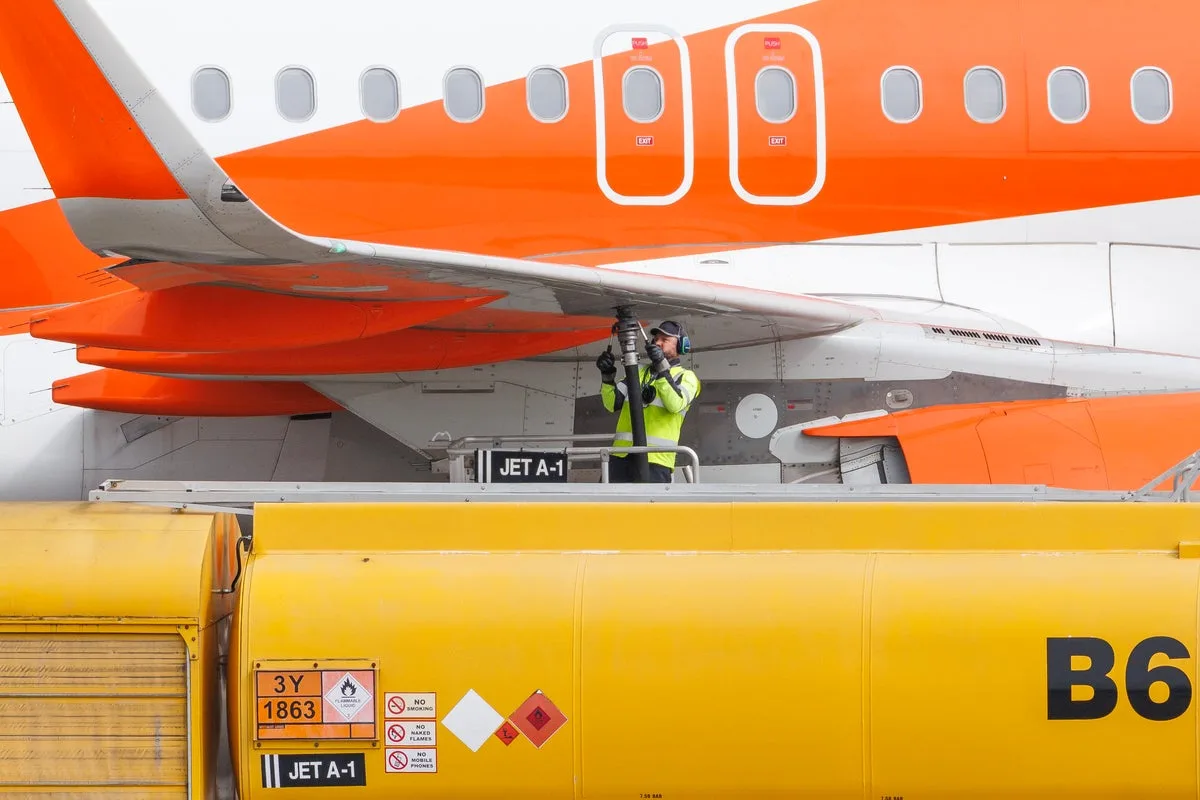
The European Union is set to issue new guidelines next week urging member states to cut their reliance on Middle Eastern jet fuel and increase imports from the United States, as the Iran war triggers a supply crisis. The plans, still being finalised, aim to boost self-sufficiency through sustainable aviation fuels and synthetic fuels, according to a source familiar with the discussions.
European airlines have grounded planes and warned of potential jet fuel shortages within weeks, threatening the summer travel season. Europe imports 30% to 40% of its jet fuel, with at least half coming from the Middle East, making it particularly vulnerable. The International Air Transport Association's director general, Willie Walsh, warned on Friday that flights could be cancelled from the end of May due to a lack of fuel.
The EU's non-binding recommendations will acknowledge the bloc's limited capacity to increase domestic jet fuel output and provide guidance on handling shortages. A European Commission spokesperson confirmed plans to present a response to the energy crisis next week, including measures on jet fuels. The spokesperson said supply availability remains the primary concern, and if disruptions through the Strait of Hormuz persist, the EU could launch a coordinated release of jet fuel stocks.
Iran reopened the Strait of Hormuz on Friday after a ceasefire in Lebanon, but US President Donald Trump stated a naval blockade remains until a deal with Tehran is sealed. The EU spokesperson expressed hope for safe passage but added, 'Let's see.' The source familiar with the EU plans said the document will address issues like losing airport slots due to cancellations and the anti-tankering rule, and clarify whether fuel shortages can be considered exceptional enough to avoid compensation payments. The EU has decided against suspending the Emissions Trading System or sustainable aviation fuel allowances.
The European Commission also plans to map EU refining capacity for oil products and introduce measures to ensure full utilisation and maintenance of existing capacity. It will examine logistics for increasing use of US Jet A fuel, which has a higher freezing point than Europe's standard Jet A-1. Some European hubs rely on the NATO-operated CEPS pipeline for European-grade fuel. The International Energy Agency forecasts jet fuel shortages by June if the region can only replace half of its normal Middle East supplies. Some airports warn of shortages within three weeks if the Strait of Hormuz remains closed.