Travel Chaos as New EU Border Rules Strand EasyJet Passengers in Milan
EU Border Rules Cause Travel Chaos, Strand EasyJet Passengers

Travel Chaos as New EU Border Rules Strand EasyJet Passengers in Milan

British travellers have been plunged into chaos across European airports as the full implementation of the European Union's new Entry/Exit System (EES) has caused massive delays, with around 100 EasyJet passengers missing their flight from Milan's Linate airport to Manchester on Sunday. The situation has left many travellers stranded abroad, facing significant disruption and additional costs.

What Is the EU Entry/Exit System?

The European Union's Entry/Exit System, which began its initial phase on October 12, 2025, was fully rolled out across all EU nations on Friday, April 10, 2026. This new digital border system replaces the traditional method of officials manually stamping passports for travellers from third-party countries, including the United Kingdom, when they enter the Schengen area.

The system requires British travellers and other non-EU citizens to undergo biometric and facial recognition checks, creating a digital record that is valid for three years. While registration is free of charge and does not require pre-travel paperwork, the process involves having a photo taken at a dedicated booth and submitting fingerprints both upon entry and exit from the Schengen zone.

Wide Pickt banner — collaborative shopping lists app for Telegram, phone mockup with grocery list

Airport Delays and Passenger Ordeals

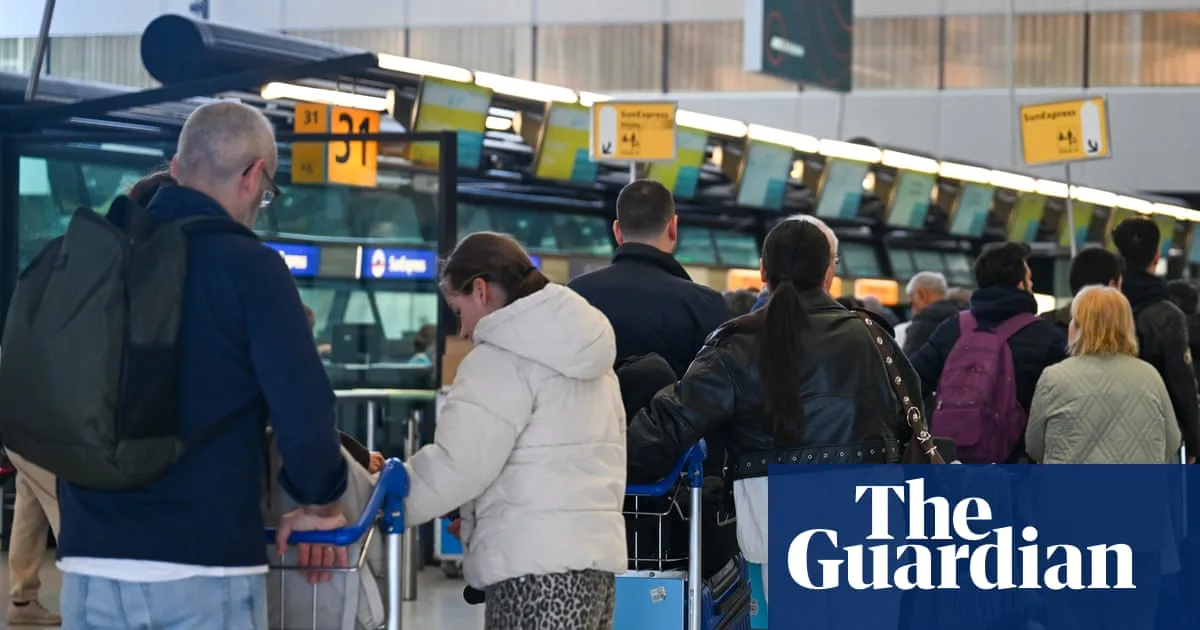
Major airports in several European cities, including Paris, Lisbon, and Milan, experienced huge queues as desperate travellers waited to clear immigration under the new system. At Milan's Linate airport, the situation became particularly dire, with some stranded passengers reporting that people were vomiting and passing out in the extensive lines, exacerbated by a concurrent heatwave.

Carol Boon, a 59-year-old British traveller who was among the 100 passengers left behind by the EasyJet flight to Manchester, described a "very stressful" situation at the airport. Speaking to the BBC, she recounted witnessing arguments, someone fainting, and another person becoming sick while waiting in the queues.

Another traveller, Max Hume from Leeds, revealed to the BBC that he spent a staggering £1,800 to secure alternative travel arrangements through Luxembourg to return home as quickly as possible after missing his original flight.

Airline Response and Compensation Issues

EasyJet stated that the delays were "outside of our control" and explained that they had held the affected flight for nearly an hour before departure. The airline emphasized that these delays are unacceptable and urged border authorities to utilize all permitted flexibilities to prevent further impact on travellers' plans.

The airline's policy for customers who miss flights due to EES delays is to offer free transfers to later EasyJet flights. However, for those who book with other airlines, they must contact their travel insurance to make claims.

Some passengers have expressed dissatisfaction with the compensation offered. A 17-year-old student from Oldham, Greater Manchester, identified only as Kiera, told the BBC that she was offered just £12.25 in compensation from EasyJet after being stranded with her boyfriend for 20 hours at the airport. The couple eventually secured flights to Gatwick the next day, costing her mother £520, rather than their original destination of Manchester.

Kiera explained that despite arriving at the airport three and a half hours before their scheduled departure, they still missed their flight due to the extensive queues at Border Control.

Industry Warnings and Recommendations

The travel industry has issued fresh alerts to passengers regarding potential congestion at European airports. Jet2 has specifically warned travellers about reported congestion at Faro Airport in Portugal, while airport authorities have stated that the queues are "completely out of our control."

ABTA, the association of travel agents and tour operators, advises passengers to proceed directly to passport control immediately after completing check-in and security to complete EES checks as early as possible. They recommend following transport providers' guidance on arrival times, with a minimum of two hours before flights from Europe, and checking specific instructions from airlines and airports.

Pickt after-article banner — collaborative shopping lists app with family illustration

The government has acknowledged that the EES process may take "each passenger a few extra minutes to complete," but the reality at busy airports has proven far more time-consuming, leading to significant disruptions for British travellers across Europe.