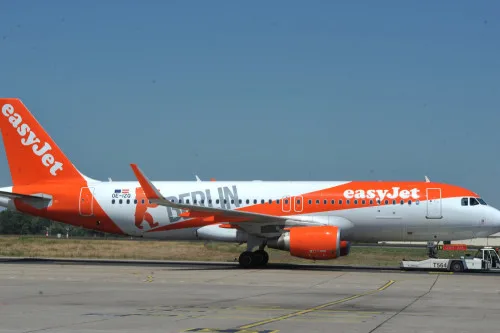
EasyJet is set to introduce new seats that will provide passengers with up to two inches of extra legroom. The budget airline is investing in Kestrel seats, manufactured by UK-based Mirus, which will be fitted in 237 new aircraft from 2028.
The seats are made from carbon fibre instead of plastic, making them stronger and slimmer. This design adds space without altering the pitch between rows, and allows passengers to sit further back, increasing legroom. The seats also feature a fixed recline of 22 degrees, preventing them from being pushed back by the person in front.
Weighing around 20 per cent less than plastic alternatives, the new seats will save approximately 500 kilograms per aircraft, reducing fuel consumption and CO2 emissions. EasyJet estimates annual fuel savings of over 12,936 tonnes, equivalent to about 40,513 tonnes of CO2.
Chief Operating Officer David Morgan said: 'This investment supports our continued focus on making our operations as efficient as possible... the additional legroom and enhanced comfort will deliver an improved onboard experience.' Mirus CEO Ben McGuire called it 'one of the largest single-model aircraft seat awards ever.'
The seats are approximately 98 per cent recyclable and require less maintenance due to their robust structure.