

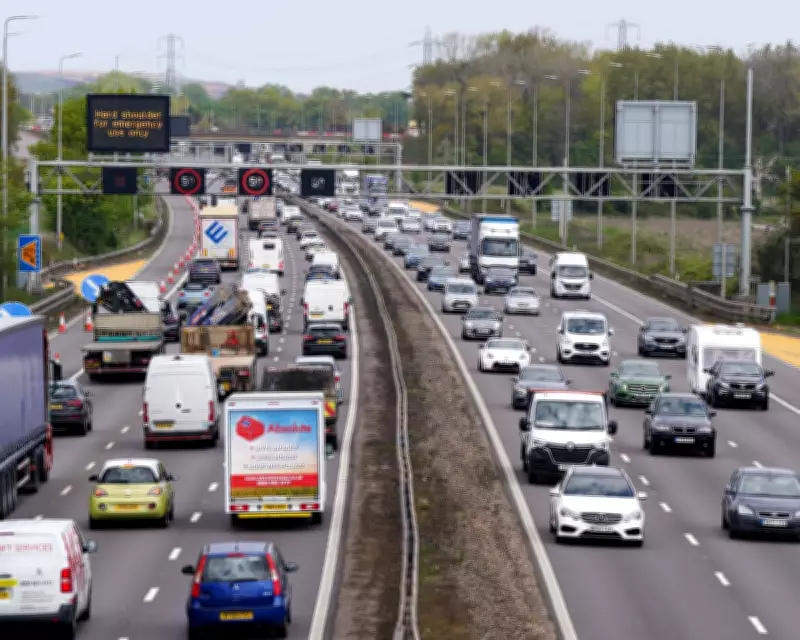
Easter Bank Holiday Anticipated as UK's Busiest Road Period in Four Years
Despite a significant surge in fuel prices driven by the conflict in the Middle East, the four-day Easter bank holiday weekend is projected to be the busiest on UK roads in four years. According to a joint study by the RAC and traffic analytics specialists Inrix, drivers are planning nearly 21 million leisure journeys between Thursday and Easter Monday.
Increased Travel Volumes and Weather Impact
This represents an increase of over 1 million trips compared to last year, positioning this Easter as the most congested since 2022, which marked the first full getaway following the end of Covid lockdowns. The RAC noted that with forecasts predicting warmer weather over the weekend, the number of spontaneous ad hoc journeys could rise further.
The AA has indicated that traffic during the Easter period will peak on Thursday, coinciding with the break-up of many schools. Survey data reveals that just over half of travellers expect to cover short distances under 50 miles. Approximately one in five plan to visit friends and family, one in ten aim to engage in outdoor activities like walking or cycling, and 5% intend to visit DIY stores or garden centres.

Expert Insights and Infrastructure Challenges
Lee Morley, an AA expert patrol, commented: "After what feels like a very long, wet winter, lots of families are looking forward to the Easter break." He added that with improved weather anticipated, routes to coastal areas, as well as roads around town and city centres and retail parks, are likely to experience particularly heavy congestion.
Network Rail has warned travellers of extensive planned essential engineering works and upgrades over the bank holiday weekend, involving more than 270 projects across Britain. This is expected to divert additional traffic onto the roads, exacerbating congestion.
Fuel Price Concerns and Travel Adaptations
The RAC reported that nearly a third of drivers (31%) have grown increasingly concerned about higher fuel costs since the US-Israeli war on Iran began on 28 February. With crude oil prices soaring above $100 a barrel, the average price of petrol in the UK has exceeded 150p per litre for the first time since May 2024.
Filling a 55-litre family car with diesel this Easter will cost at least £19 more than on Good Friday last year, while a tank of petrol will be nearly £8 more, with further increases likely. Despite these financial pressures, most people are not altering their travel plans: only 6% expect to drive shorter distances, and another 6% say they will not drive at all due to the higher prices.
Sean Kimberlin of the RAC stated: "Despite fuel prices rising dramatically due to the conflict in the Middle East, our research suggests Easter remains incredibly important to people as it’s often the first chance to get away since Christmas or to meet up with friends and family."
International Travel and Port Activity
The Association of British Travel Agents noted that most travellers affected by the war have switched to alternative destinations, including the western Mediterranean, Caribbean, and direct-flight long-haul trips to Thailand and South Africa.
At the port of Dover, an estimated 37,000 cars are expected to travel through during the Easter holidays between this Thursday and Sunday 19 April. Doug Bannister, the port’s chief executive, said: "The port is preparing for a busy Easter getaway period, with an early increase in traffic expected from [last] Friday, followed by the predicted getaway volumes through to mid-April."






