

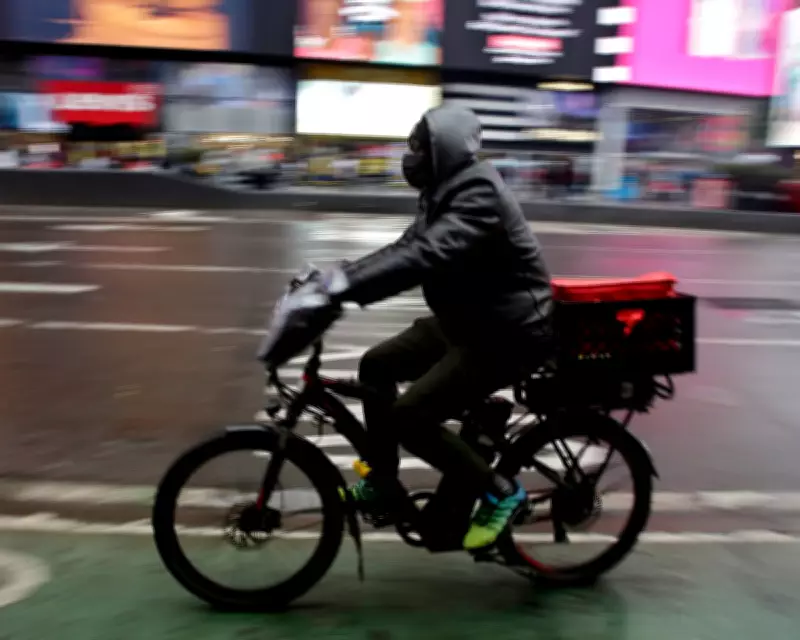
E-Bike Injuries Surge Across the United States, Prompting Safety Debates
The increasing number of traumatic injuries from e-bikes in the United States has captured the attention of physicians, lawmakers, and pedestrians alike. With fatalities and hospital visits on the rise, cities are urgently searching for effective solutions to curb accidents involving these popular electric vehicles.
Rising Casualties and National Trends
In New York City, seventeen people lost their lives in e-bike crashes during 2024, according to the city's department of transportation. Nationwide, e-bike injuries have escalated dramatically, from 1,600 recorded cases in 2018 to 23,000 in 2022, as reported in the medical journal Jama Surgery. This surge correlates with booming sales, which jumped from 50,000 units in 2018 to 527,000 in 2022, with market projections indicating continued growth.
Dr. Ashley Pfaff, a trauma surgeon at Bellevue Hospital in New York, noted seeing e-vehicle injuries daily, highlighting the severity of the crisis. In Tampa Bay, Florida, where at least 28 deaths occurred over five years, emergency medicine has undergone a paradigm shift due to the traumatic nature of these incidents. California has also faced a spike, with towns near San Diego declaring states of emergency after fatal crashes.

Divergent Approaches to Prevention
Safety advocates are divided on the best strategies to prevent e-bike accidents. Some emphasize infrastructure improvements, while others push for stricter regulations. Alexa Sledge, communications director for Transportation Alternatives, argues that most fatalities involve cars and trucks killing e-bikers, not vice versa. She advocates for expanded protected bike lanes and better street designs to separate different modes of transport.
In contrast, the NYC E-Vehicle Safety Alliance supports Priscilla's Law, named for a preschool educator killed by an electric Citi Bike in 2023. This proposed legislation would require e-bike registration and license plates, enabling enforcement of speed limits through traffic cameras. Janet Schroeder, co-founder of the alliance, asserts that without plates, law enforcement cannot effectively chase down violators, but cameras could hold riders accountable.
Personal Stories Highlight the Human Cost
Victims like Roberta Simon, an attorney who suffered a traumatic brain injury after being struck by an e-bike in Central Park, underscore the personal toll. Similarly, Michelle Cruz advocates for registration after her father was killed by an e-biker running a stop sign in Brooklyn. She suggests that while immigrants often rely on e-bikes for delivery work, they could use non-motorized alternatives to enhance safety.
However, opponents like Ligia Guallpa of Los Deliveristas Unidos warn that registration could lead to discriminatory enforcement against undocumented workers. Instead, she supports technological fixes to enforce speed limits and reduce police involvement.
Policy Responses and Future Directions
New York City Mayor Zohran Mamdani has revoked previous policies that issued criminal summonses to e-bikers, opting for ticketing similar to motorists. His administration focuses on adapting street designs and pressuring delivery companies to prioritize safety over speed. Proposed regulations would require companies to share trip-level data and establish delivery time standards.
Internationally, cities like Toronto have rejected registration systems as bureaucratic burdens. In the US, New Jersey recently passed a law mandating licenses and insurance for e-bikers, though critics argue it unfairly targets low-speed vehicles while neglecting higher-risk options.
As debates continue, the core issue remains balancing safety with accessibility. With e-bike usage projected to grow, cities must innovate to protect all road users while addressing the root causes of reckless riding.






