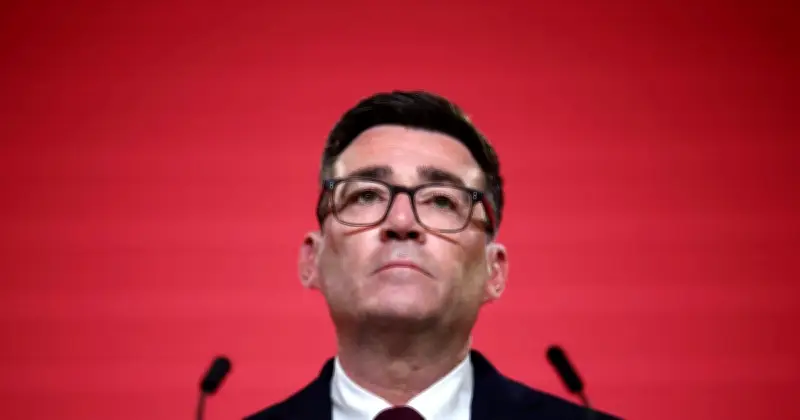
Prime Minister Andy Burnham has been warned that he needs to 'pay attention' with his next steps in Downing Street after the announcement of a significant policy shift. The new PM is introducing a cap on single bus tickets at £2, a move that could save millions of passengers a third on bus travel during his first week in office.
Policy Details and Timeline
In a bid to ease the cost of living and provide people with much-needed financial relief, commuters will benefit from reduced fares from 1 January 2027 for the remainder of the year – with maximum fares cut by a third. Backed by £400 million extra funding, the cap on fares outside of London will help millions of people across the country access affordable bus travel more easily, breaking down barriers to travel for people struggling with the cost of living, opening up opportunities and boosting local economies, it added.
Rural Concerns Raised
Debbie Porter, Managing Director at Bakewell-based Destination Digital Marketing, applauded Burnham's decision - but also cautioned him that a PM championing 'Manchesterism' as a philosophy needed to be aware this would leave many other places out. She said: "A £2 fare cap is a great idea. Mobilises the population to help them get around, and plays into achieving a net zero target at the same time. In rural communities, we now just need some actual bus routes to avail ourselves of this offer."
She added: "We have a new 'No 10 in the North', but a perspective on the UK population taken from Manchester is still city-centric. So we now need politicians to understand how the rural economy holds itself together in market towns and villages. There are 47 million people living outside of metropolitan and city areas. Paying some political and policy attention to this part of the economy is the next step now that Andy Burnham has made the move to shine a light on the North."
Previous Scheme Success
The last £2 fare cap saw an estimated 30 million more journeys taken by bus in just 10 months, the government claims. The change comes as the Government announced a tax cut to remove VAT from domestic electricity bills from October 1, timed to coincide with the next Ofgem price cap.
Prime Minister's Statement
The Prime Minister said: "Good, affordable transport links are an essential. No one should be priced out of those and left behind. But for too long people have said that cheaper transport isn't an option. I don't accept that. I've done it before and I will do it again now: a £2 cap on bus fares for millions across the country."
He added: "Lower fares will help people get to where they need to – giving them breathing space to help with the cost of living. As I said on my first day in office – I will build a country for everyone, everywhere. That means more connected communities, better access to opportunities, and a lighter load on people's lives."
Mixed Reactions from Finance Specialists
Among finance specialists, however, opinion appears split over the change on buses. Michelle Lawson, Director at Fareham-based Lawson Financial, argued the funds would be better directed towards improving Britain's road network. She added: "Of all the problems this country has right now, capping bus fares shouldn't be a priority. Public transport is dire, dirty and unreliable. It can be a lifeline for the elderly, most who have free or subsidised bus passes, and those in rural areas. Towns and cities struggle due to excessive traffic."
Riz Malik, Independent Financial Adviser at Southend-on-Sea-based R3 Wealth, argued it ought not to feature amongst Burnham's chief concerns. He added: "If it gets the labour force more mobile I'm all for it. However, on the list of things this country needs urgently, I don't think it makes the top 40."
Yet Graham Nicoll, Financial Planner, Chartered FCSI at NCL Wealth Partners, suggested the cap could help drive growth across the UK economy. He added: "A targeted bus fare cap is easier to justify economically than broad-based subsidies such as energy bill support. If lower fares encourage more people to travel, spend in local shops, visit leisure venues and access employment, part of the cost can be recovered through stronger economic activity, higher tax receipts and increased fare revenue."
However, Rob Mansfield, Independent Financial Advisor at Tonbridge-based Rootes Wealth Management, cast doubt on whether the measure would deliver any real economic benefit. He added: "It's absolutely necessary for the government to tackle the cost of living but it's pointless to keep applying sticking plasters without addressing the longer term causes. Without that longer term reform, it's just adding to the national debt and kicking the can down the road."