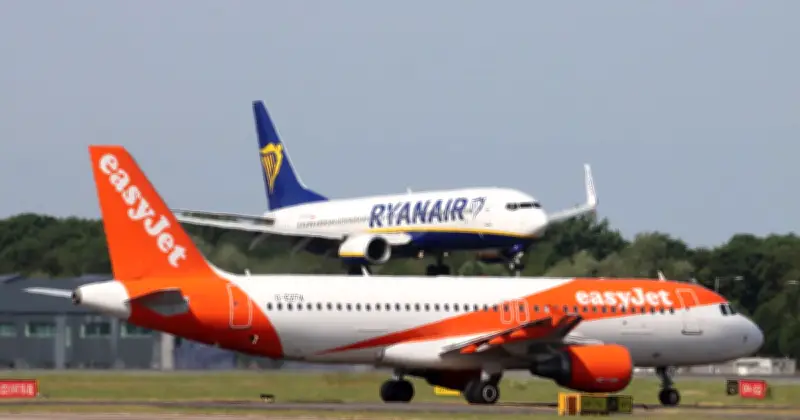
Birmingham Airport has unveiled plans for a £2 billion transformation that could see it handle close to 30 million passengers. The proposals, contained in a new draft Master Plan, outline expansion over the next 15 years with major improvements planned for its terminal, baggage facilities and transport links.
The first phase could begin as early as next year, with investment planned in baggage facilities, additional and reconfigured aircraft stands, terminal facilities and surface access. The airport says the plan makes better use of its existing runway capacity.
Economic impact and jobs
Airport bosses say the wider plan could eventually generate an additional £3.6 billion in gross value added (GVA) for the West Midlands and create more than 50,000 jobs, including 3,800 at the airport itself.
Nick Barton, chief executive officer at Birmingham Airport Limited, said: “Birmingham Airport is the Midlands' principal international airport, already facilitating and supporting trade, tourism, investment and employment in the region.
“As Birmingham is the UK’s second city, our future plans will help secure ongoing growth in the region, benefiting more people and businesses in the West Midlands with new jobs, better transport links and enhanced connectivity.
“The £2bn proposed investment is unprecedented at Birmingham Airport and will take our airport close to 30m passengers. This level of ambition sends a strong signal of support and confidence in our airport and wider region.
Tax environment concerns
Barton added: “We have a laser light focus on delivering sustainable growth that supports regional prosperity, while responding responsibly to the environmental challenges. This Master Plan will enable us to deliver on that ambition and ensure we are ready for the future.
“However, the delivery of this plan is reliant on a fair and stable taxation environment. It is a normal expectation that investments generate returns. This draft Master Plan comes at the same time where the airport is faced with increasing running costs from employment, energy and taxes.
“This planned growth over a 15-year period details the length of investment cycles at airports and unless tax and regulatory environments are made more favourable and stable for major infrastructure investment, they may not materialise. Nor will the growth in the UK we all so badly need, in order to deliver our country’s potential.”
The airport said English airports have faced continued uncertainty over valuations, while Birmingham Airport has already seen its business rates bill double. It is calling on the Government to provide a stable tax environment to encourage long-term investment.
Government and mayoral support
Transport Secretary Heidi Alexander said: “We’re backing our aviation sector to continue growing, right across the country.
“Birmingham Airport’s Masterplan will be a massive boost to the West Midlands, unlocking investment and creating 50,000 well-paid local jobs to get people into employment.
“From the Midlands to the North and beyond, we're backing airport expansion that drives prosperity in every corner of Britain, whilst delivering cleaner flights with over £219 million invested in green fuels.”
Richard Parker, Mayor of the West Midlands, said: “This ambitious masterplan and the investment it will bring is a massive boost for the West Midlands economy. It’s set to bring thousands of new jobs, better international links, and unlock vital backing for local businesses and supply chains.
“This consultation gives local people and business owners a chance to have their say and help shape the airport's expansion so that it brings lasting benefits for our communities.”
The plans have now gone out for public consultation, with people living near the airport among those being asked for their views. The airport said the eight-week consultation would include 20 events. Feedback will be considered before a final report is published in 2027, setting out what people said and how their views have influenced the final Master Plan and future funding commitments.