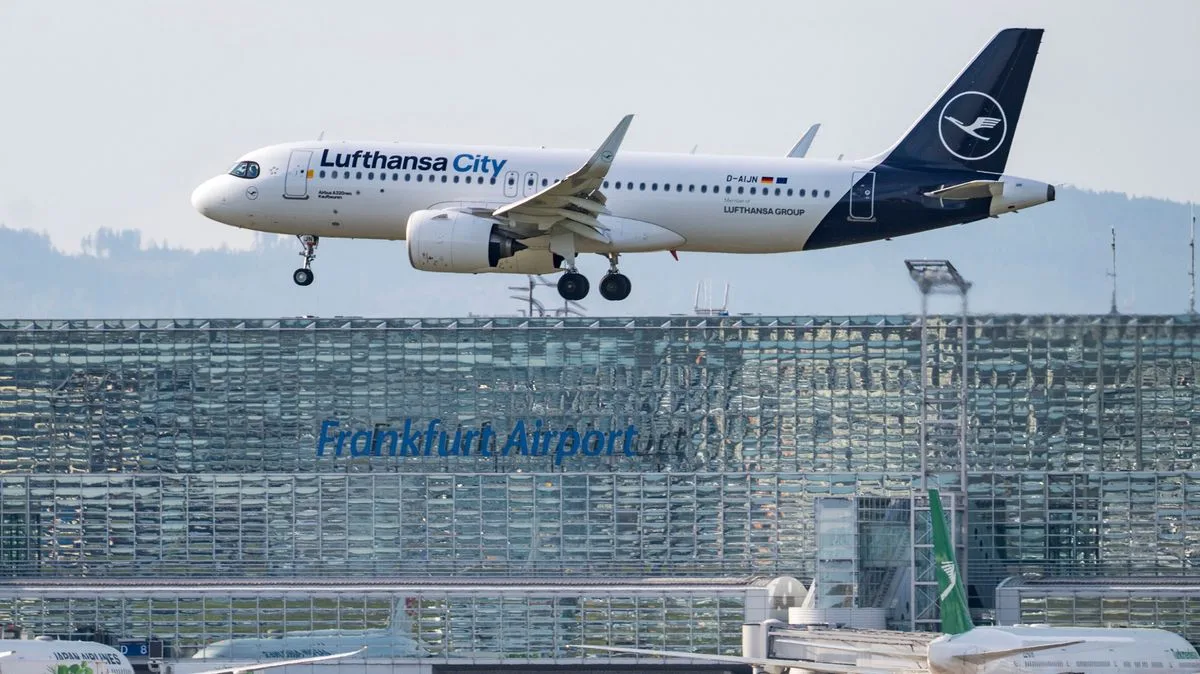
The European Commission has warned airlines that they cannot impose fuel surcharges on tickets, despite soaring jet fuel prices driven by the ongoing conflict in the Middle East and the closure of the Strait of Hormuz. The guidance, issued on May 8, emphasises that airlines must display final ticket prices upfront under the Air Services Regulation, ensuring passengers are not faced with unexpected costs.
However, passengers who have booked package holidays may still face price increases. Under the Package Travel Directive, organisers can raise prices retroactively if stated in the contract and under specific circumstances. In the UK, the Package Travel Regulations allow holiday firms to add up to eight per cent to the cost of a package holiday in cases of significant fuel cost rises.
The European Commission has also eased slot rules for airlines affected by fuel shortages, exempting them from penalties for missing allocated landing and take-off slots. Airlines cancelling flights due to fuel issues must still respect passenger rights, including reimbursement, re-routing, and compensation, unless the cancellation is due to extraordinary circumstances such as a local jet fuel shortage. High fuel prices alone do not qualify as extraordinary circumstances.
In the UK, the government has stated there is no current fuel shortage, as airlines purchase jet fuel in advance. Tim Alderslade, CEO of Airlines UK, confirmed that UK carriers plan to operate full summer schedules, including the May half-term. Major airlines like Jet2 and TUI have announced they will not impose fuel surcharges this summer, with TUI’s managing director Neil Swanson reassuring customers that holiday prices are fixed.