

Airline Executives Address Middle East Conflict's Influence on Aviation
Senior airline industry figures, including leaders from easyJet, Ryanair, and the International Air Transport Association (IATA), gathered at the Airlines for Europe summit in Brussels to evaluate the effects of ongoing global events, particularly the Middle East conflict, on fuel prices and passenger demand. The discussions highlighted varying perspectives on the crisis's severity and its potential financial implications for travellers.
Ryanair's Optimistic Outlook on Fuel Supply
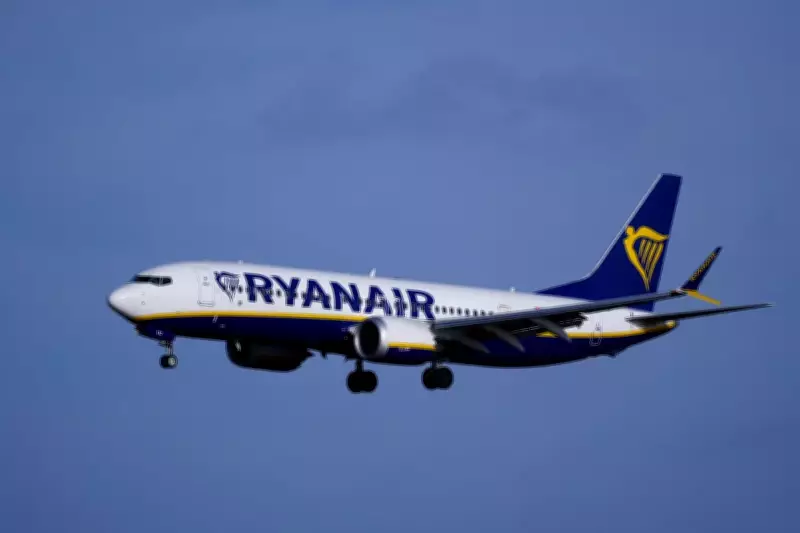
Michael O'Leary, the chief executive of Ryanair, characterised the current Middle East conflict as "more minor" in comparison to previous geopolitical disruptions. He projected that the crisis would likely persist for approximately four to five weeks, while reassuring stakeholders that jet fuel supplies are secure for the next three to four months. This assessment suggests a relatively stable short-term outlook for the low-cost carrier, which could help mitigate immediate operational challenges.
easyJet's Cautious Stance on Fuel and Fares
In contrast, easyJet CEO Kenton Jarvis expressed greater concern regarding fuel supply stability, emphasising the aviation industry's reliance on refineries in the Gulf region. Jarvis warned that if the conflict extends beyond three to four months, it could significantly impact fuel availability, potentially leading to supply chain disruptions. He also forecasted fare increases, explaining that airlines, which typically operate on thin profit margins, must adjust ticket prices in response to rising fuel costs. However, Jarvis clarified that easyJet plans to incorporate these adjustments into standard pricing structures rather than imposing additional surcharges, aiming to maintain transparency for consumers.

Resilient Passenger Demand Amid Economic Pressures
Both Willie Walsh of IATA and Kenton Jarvis noted that passenger demand remains robust despite escalating everyday expenses. They observed a continuation of 'revenge travel' trends, where individuals are prioritising holidays post-pandemic, with many holidaymakers opting to shorten trip durations rather than cancel plans entirely. This resilience indicates that while cost pressures may alter travel behaviours, the fundamental desire for leisure travel persists, supporting airline revenues in the face of potential fare hikes.
Broader Implications for the Aviation Sector
The summit underscored the aviation industry's vulnerability to geopolitical tensions, particularly those affecting fuel markets. With airlines navigating between supply assurances and cautious contingency planning, the coming months will be critical in determining how fare adjustments and demand patterns evolve. Stakeholders are advised to monitor developments closely, as prolonged instability could necessitate more significant operational and pricing strategies across the sector.






