
Venezuelan lawmakers have approved a sweeping mining bill aimed at regulating the country's mining sector and attracting foreign investors, who have been wary due to past asset seizures and the presence of criminal groups with alleged government ties.
The bill, passed on Thursday, will now be reviewed by the country's high court to determine its constitutionality. It establishes categories for small, medium, and large-scale mining, regulates mineral rights, and allows for independent arbitration of disputes—a key protection for foreign investors against asset confiscation. The legislation also bans the president, vice president, ministers, governors, and other officials from holding mining titles.
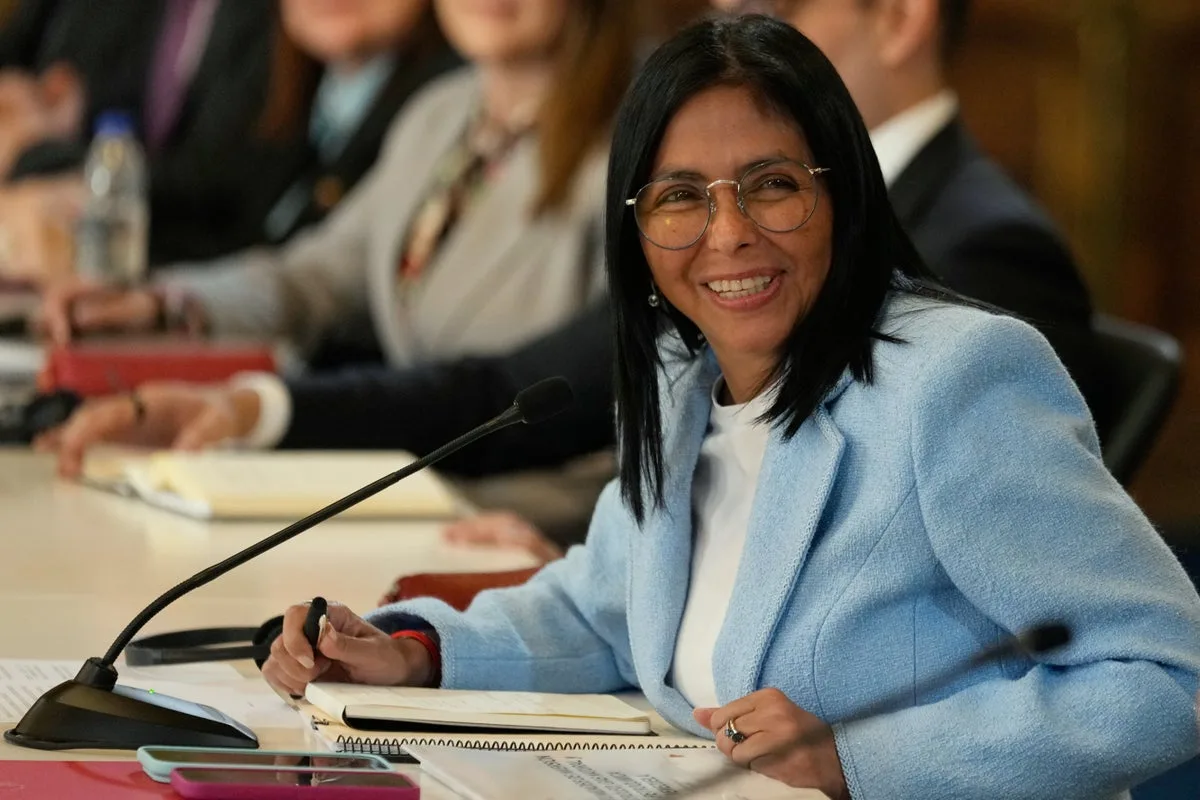
This move is the latest by acting President Delcy Rodríguez's government, which has faced pressure from the Trump administration since the US military deposed former President Nicolás Maduro in January. Two decades ago, many foreign firms in mining and oil saw their assets seized by the Venezuelan government. However, as oil revenues plummeted, Maduro's government in 2016 designated over 10% of Venezuela's territory as a mining development zone.
Since then, mining for gold, diamonds, copper, and other minerals has proliferated, with many sites being informal, unlicensed mines operating under brutal conditions and in the presence of criminal groups. Homicides, human trafficking, and fuel smuggling are common in mining areas, but ordinary Venezuelans continue to flock there in hopes of escaping poverty.
Officials and military members reportedly take cuts from illegal mining revenue in exchange for allowing operations. A US State Department report to Congress last year noted that gold mining and sales have become a lucrative scheme for well-connected Venezuelans and senior military officers, who profit from charging criminal organizations for access and inputs like fuel. The estimated market value of gold mined in Venezuela averaged $2.2 billion annually over the past five years.




