
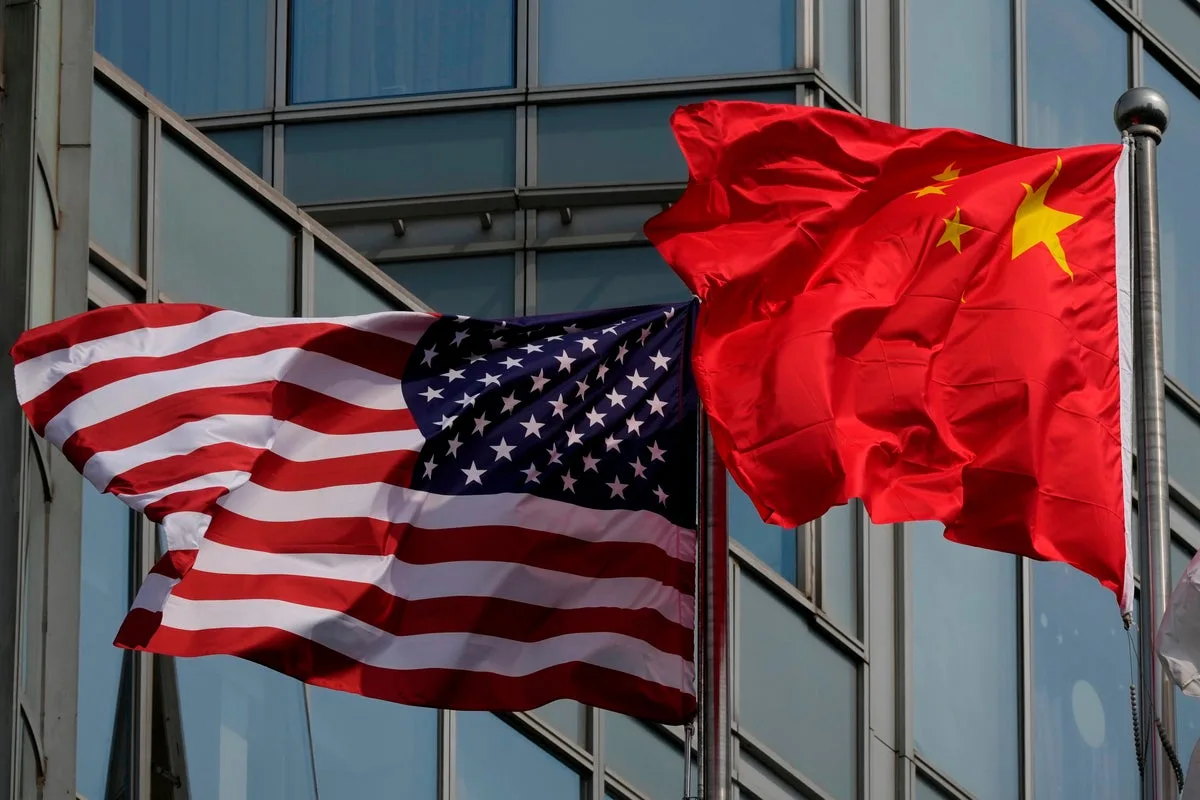
During a tumultuous 2025, the United States and China proved how much they could hurt each other in a trade war. Now Presidents Donald Trump and Xi Jinping are meeting in Beijing to repair some of the damage.
A decade of conflict between the world's two biggest economies has left US-China trade greatly reduced from the boom times of the 2000s and 2010s, forcing companies to regroup. Many American firms have shifted production out of China to countries like Vietnam and India, while Chinese firms have scrambled to find new customers in Europe and Southeast Asia.
But the two countries are finding that they still need each other. "The idea of somehow China being totally independent of us and us being totally independent of China, I think, is a fiction," said financier Wilbur Ross, who served as US Commerce secretary in Trump's first term.
This week's summit is primarily about keeping the economic relationship stable, with only modest policy announcements expected. A trade truce reached last October likely will be extended, while China may announce plans to buy American soybeans, beef and Boeing airplanes. US officials also have teased the creation of a Board of Trade.
Watching closely will be American farmers who were shut out of the Chinese soybean market for most of 2025, as well as US manufacturers who lost access to China's rare earth minerals they need to make everything from smartphones to fighter jets.
In China, manufacturer Michael Lu is hoping the summit will herald more positive signs. Chances of US-China commerce going back to the roaring trade of 15 years ago may be slim, but factory owners in China are expecting at least some improvements. "The US used to be a more stable market," said Lu, founder and CEO of gift box producer Brothersbox in the southern city of Dongguan.




