

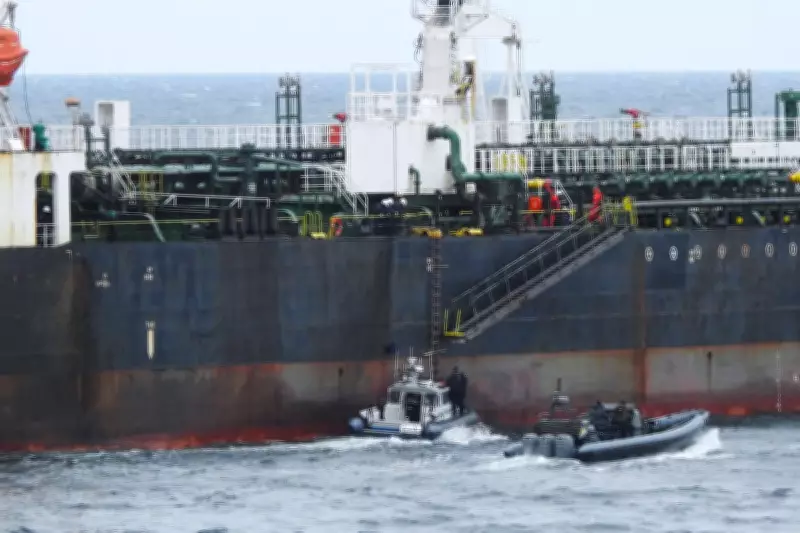
Swedish authorities have released a tanker sanctioned by the European Union after failing to gather sufficient evidence that it was responsible for a significant oil spill in the Baltic Sea. The vessel, named Flora 1, had been boarded and detained on suspicion of causing the environmental incident, but investigators could not establish its fault.
Investigation Findings and Release Details
The Swedish Coast Guard announced that they did not find enough proof to link the Flora 1 to the 12-kilometer (8-mile) -long oil spill discovered on Thursday. The tanker and its 24-member crew were stopped on Friday, but the investigation revealed that Cameroon had confirmed the vessel was sailing under its flag, a detail that was unclear at the time of detention.
EU Sanctions and Shadow Fleet Concerns
The Flora 1 was placed on the EU's list of sanctioned vessels for transporting Russian oil while engaging in what officials describe as "irregular and high-risk shipping practices." These unsafe practices often include turning off the automatic tracking system, which hides the vessel's location from other ships, and conducting ship-to-ship transfers to disguise the origins of oil cargo.

These sanctions target the so-called "shadow fleet" that emerged in response to the G7's price cap on Russian oil, designed to limit revenues funding Russia's invasion of Ukraine. The cap is enforced by prohibiting insurance and shipping companies from handling oil above the set price.
Safety Risks and International Sanctions
The shadow fleet consists of aging tankers with ownership and insurance based in countries not observing the price cap. The age of these vessels and their lack of Western insurance raise serious safety concerns about potential oil spills and the financial responsibility for cleanup costs.
As of late 2025, the Flora 1 was owned by a Hong Kong company and has been sanctioned by multiple countries, including the UK, Canada, Australia, Switzerland, and New Zealand, according to the Ukrainian government. The tanker has changed its name six times and its flag country nine times, highlighting its elusive nature.
Sanctions explicitly forbid any transactions involving the named vessels, aiming to curb the operations of such high-risk tankers in international waters.






