Supreme Court Rules on Trump-Era Tariff Refunds for Businesses
Supreme Court Decides Trump Tariff Refund Case for Firms

Supreme Court Issues Key Decision on Trump-Era Tariff Refunds

The United States Supreme Court has delivered a significant ruling concerning refunds for businesses impacted by tariffs imposed during the Trump administration. This decision addresses long-standing legal disputes over whether companies are entitled to recover payments made under these controversial trade measures.

Background of the Tariff Dispute

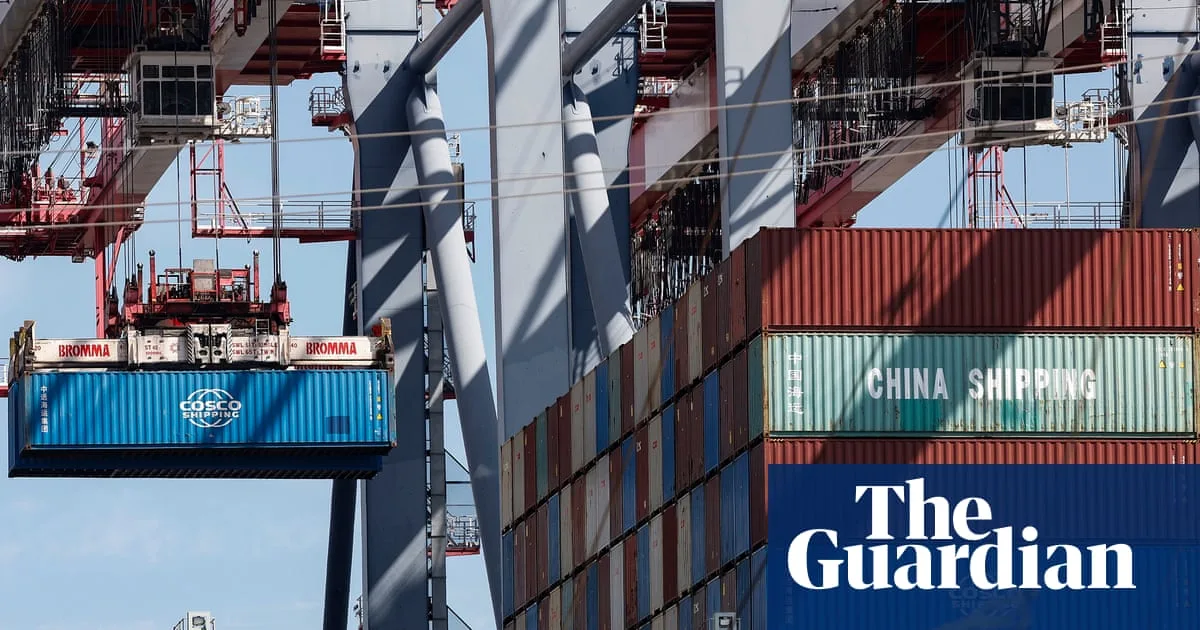
During Donald Trump's presidency, a series of tariffs were levied on various imported goods, primarily targeting China and other trading partners, as part of a broader strategy to protect domestic industries. Many businesses, particularly those reliant on global supply chains, argued that these tariffs imposed undue financial burdens and sought refunds through legal channels.

The case reached the Supreme Court after lower courts issued conflicting judgments, creating uncertainty for thousands of firms across sectors such as manufacturing, retail, and technology. Legal experts have closely monitored the proceedings, noting the potential implications for future trade policies and corporate litigation.

Details of the Supreme Court Ruling

In its ruling, the Supreme Court clarified the conditions under which businesses may claim refunds for tariffs paid during the Trump era. The court emphasized statutory interpretation and administrative law principles, determining that refund eligibility depends on specific criteria, including the timing of payments and compliance with regulatory procedures.

While the ruling provides some clarity, it does not guarantee automatic refunds for all affected businesses. Instead, it establishes a framework for evaluating individual claims, which could lead to further legal battles as companies navigate the complex refund process. The decision is expected to influence how trade disputes are handled in the future, particularly in cases involving executive actions and international agreements.

Impact on Businesses and Trade Policy

This ruling has immediate and long-term consequences for the business community. Companies that have been awaiting resolution on tariff refunds can now proceed with their claims, though the outcome may vary based on individual circumstances. Industry groups have expressed mixed reactions, with some welcoming the legal clarity and others criticizing the ruling for not going far enough to support businesses harmed by the tariffs.

From a policy perspective, the Supreme Court's decision underscores the ongoing debate over trade protectionism and its economic effects. Analysts suggest that this ruling could shape future administrations' approaches to tariffs, encouraging more cautious implementation to avoid similar legal challenges. Additionally, it highlights the role of the judiciary in moderating executive trade powers, a key aspect of the US constitutional system.

Global and Domestic Reactions

Internationally, trading partners have monitored the case closely, as it affects cross-border commerce and diplomatic relations. The ruling may influence negotiations on trade agreements and tariff disputes, with implications for global markets and economic stability.

Domestically, the decision is likely to fuel political discussions, especially in the context of upcoming elections and economic policy debates. Stakeholders from various sectors, including small businesses and large corporations, are assessing how the ruling will impact their operations and financial planning.

In summary, the Supreme Court's ruling on Trump-era tariff refunds marks a pivotal moment in US trade law, offering partial resolution to a contentious issue while setting precedents for future cases. Businesses and policymakers alike must now adapt to the new legal landscape, with ongoing effects on commerce and international relations.




