
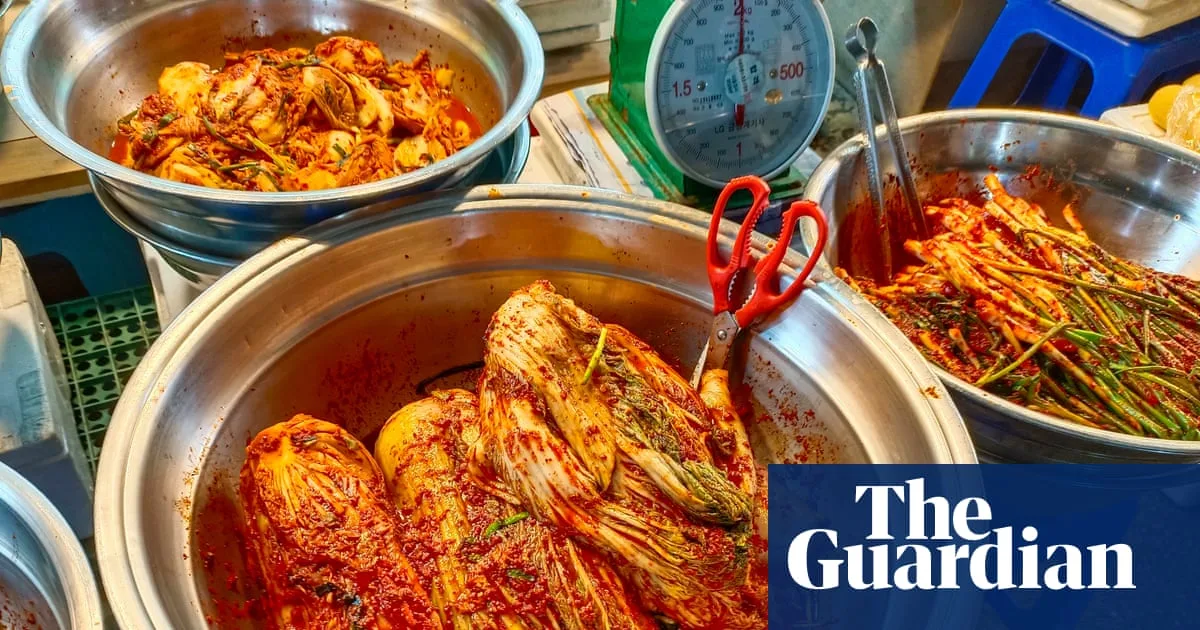
South Korea is importing more kimchi than it exports, with Chinese-made products gaining ground in the domestic market due to lower prices. In the first 10 months of this year, South Korea imported $159m worth of kimchi, almost entirely from China, while exporting $137m.
Kimchi from China sells to restaurants for about 1,700 won ($1.15) per kilogram, while Korean-made versions average about 3,600 won ($2.45), more than double the price. This price gap has led local restaurants to abandon Korean producers in favour of cheaper imports.
Kim Chieun, who runs a kimchi factory in Incheon and heads the Kimchi Association of Korea, says the market has been taken away from local producers. “If you avoid losses and don’t go bankrupt, that’s already fortunate,” he says. “For many of us over the past decade, we haven’t been able to invest in facilities.”
The pressures are compounded by the climate crisis, which is disrupting cabbage farming. Summer cultivation has become increasingly difficult in traditional highland growing areas, with wholesale cabbage prices during peak seasons sometimes more than doubling from one year to the next.
Around three-quarters of South Korea’s kimchi manufacturers are micro-businesses with four or fewer employees. Most rely on labour-intensive methods that struggle to compete with industrial-scale production in China. The industry has introduced a voucher scheme offering restaurants 1,280 won (87c) per kilogram to switch back to Korean-made kimchi.




