
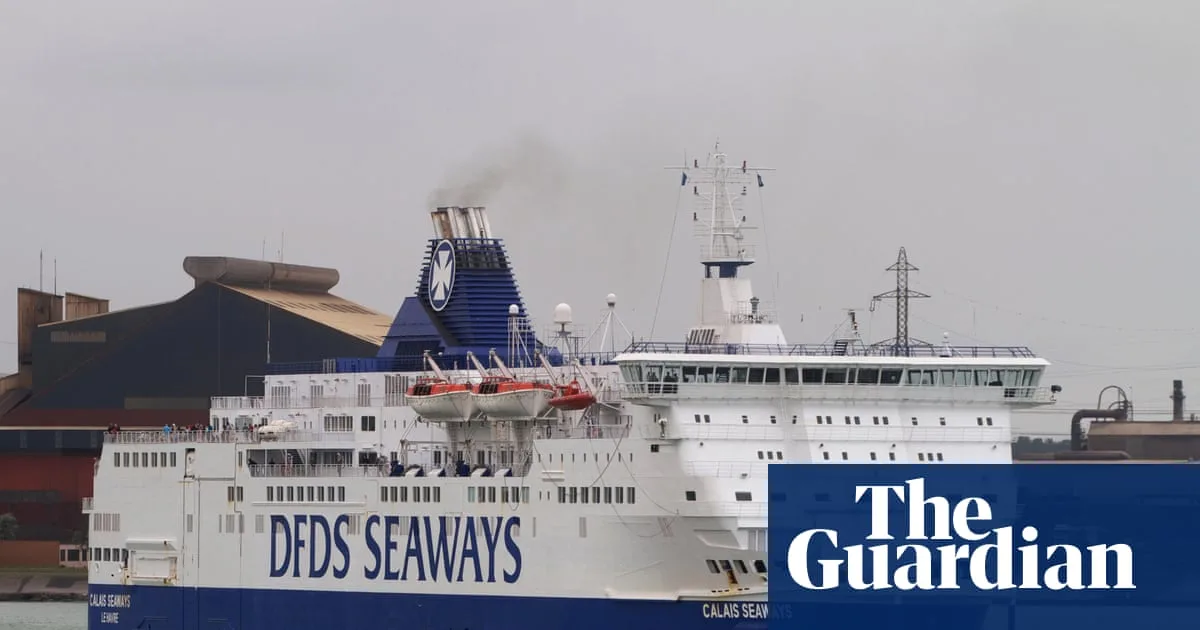
A new cargo and passenger ferry service linking Scotland and France could launch later this year as the port of Dunkirk embarks on a €40bn (£35bn) regeneration programme. The plans include a potential route between Rosyth in Fife and Dunkirk, eight years after the last freight ferries connected Scotland to mainland Europe and 16 years after passenger services ceased.
Political and industrial leaders have outlined Dunkirk's transformation into a hub for low-carbon energy, battery factories, and maritime logistics. The project has already secured about €4bn (£3.5bn) in private and public investment. Patrice Vergriete, mayor of Dunkirk and former transport minister, said: 'We are betting on the energy and ecological transition to redevelop an industrial region.'
The redevelopment is being watched across Europe as a potential model for reindustrialisation. Marie-Pierre de Bailliencourt, director general of the Institut Montaigne thinktank, described the area as a 'laboratory' and 'testing ground for European industrial renewal.' Dunkirk, site of the famous second world war evacuation, suffered severe deindustrialisation, with heavy industry employment falling from thousands to a few hundred by the 1980s.
Key projects include Verkor's car battery factory, which opened in December, and ArcelorMittal's switch to electric arc furnaces, supported by €850m in French subsidies. A €1.7bn industrial revamp is planned on land once occupied by a refinery destroyed during the second world war. Technip Energies will build a battery factory and biofuel plant there, alongside specialised import-export terminals.
The Scottish route would initially involve one ship sailing three times a week from Rosyth, with a 20-hour crossing. It could be operated by Danish firm DFDS and is expected to launch later this year. Daniel Deschodt, deputy chief executive of the port of Dunkirk, said he hoped the route would attract Scottish rugby fans, particularly for the Six Nations tournament early next year.




